
忧郁小女孩
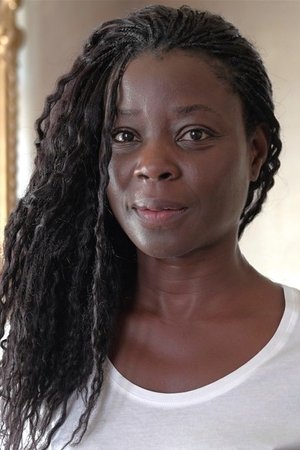
The opening… I'm picturing Marion Cotillard. Not just *playing* a role, but almost becoming someone else. It's a transformation, a kind of cinematic seance. The director hands her the mother's clothes, the vintage perfume… It's a powerful visual, the immediate core of the film. Mona finds a trove of archives – photos, letters, tapes. Her mother, Carole Achache, was a writer, a photographer. Her life was complex, perhaps turbulent, and the film deftly weaves documentary footage with Cotillard's performance. The question hanging over it all is: why did she leave? What secrets are hidden in those tapes?





剧情简介
The opening… I'm picturing Marion Cotillard. Not just *playing* a role, but almost becoming someone else. It's a transformation, a kind of cinematic seance. The director hands her the mother's clothes, the vintage perfume… It's a powerful visual, the immediate core of the film. Mona finds a trove of archives – photos, letters, tapes. Her mother, Carole Achache, was a writer, a photographer. Her life was complex, perhaps turbulent, and the film deftly weaves documentary footage with Cotillard's performance. The question hanging over it all is: why did she leave? What secrets are hidden in those tapes?
播放线路
观影点评
The brilliance here is Cotillard. Her portrayal is captivating, and the meta-narrative – the blurring of the lines between actor and subject, between the present and the past – is fascinating. It’s a daughter's attempt to engage with her mother, who is now a ghost. It’s undeniably painful to watch, but also incredibly beautiful. The film juxtaposes the glamorous 1970s Parisian intellectual scene with the cold realities of the present. The key takeaway, the core thought, is that this is a healing process, a form of reconciliation through art. 【电影介绍】玛丽昂·歌迪亚坐在镜子前,戴上那副略显笨拙的黑框眼镜,喷上那款已经停产多年的香水,穿上那件带着旧主气息的碎花衬衫。这不是一场简单的角色扮演,而是一场由亲生女儿亲手操办的招魂仪式。导演莫娜·阿查切在母亲自杀离世后,面对着家里堆积如山的几千张照片、私人信件和录音带,发现自己竟然从未真正了解过那个赋予她生命的女人。为了剥开那些被刻意掩埋的家族秘密,莫娜做出了一个近乎疯狂的决定:她邀请奥斯卡影后玛丽昂·歌迪亚来到摄影棚,让她穿上母亲的衣服,听着母亲生前的录音,在镜头前复活那个已经消失的灵魂。 随着胶片的转动,现实与虚幻的界限开始崩塌。玛丽昂不仅是在演戏,她仿佛被那个忧郁的灵魂附体,在镜头前与导演进行了一场跨越生死的对谈。观众将跟随这些碎片化的记忆,回到那个波澜壮阔又充满压抑的二十世纪中叶,走进一个女性作家、摄影师在男权社会和家庭枷锁中挣扎的隐秘内心。这不仅仅是对真相的挖掘,更是一次关于痛苦、欲望与母女羁绊的深度解剖。当那些尘封的录音再次响起,你不仅是在看一部电影,更是在窥探一个家族三代女性无法逃脱的命运诅咒。 【观影点评】这绝不是一部你印象中沉闷的纪录片,它是一场极具实验性的视听盛宴,更是一次极其私密且大胆的自我疗愈。导演莫娜·阿查切用一种近乎自虐的坦诚,把家族的伤口撕开给大众看。最让我惊叹的是玛丽昂·歌迪亚的神级演技,她在这部电影里完成了一次不可能的任务。她不仅要模仿一个人的外形,更要接纳那个人的破碎与疯狂。那种从骨子里透出来的忧郁感,配合着电影怀旧而迷离的色调,像是一双无形的手,紧紧抓住了观众的呼吸。 电影最动人的地方在于它的元叙事结构,导演本人就站在镜头里,指导着演员如何还原自己母亲的一举一动。这种奇妙的错位感产生了一种巨大的情感张力:女儿在通过大银幕重新生下自己的母亲。它探讨了一个极具共鸣的话题,那就是我们该如何面对长辈留下的精神负资产,以及艺术是否真的拥有缝合创伤的神力。如果你也曾对父母的过去感到好奇,或者在寻找一种与过去和解的方式,这部电影会像一记温柔而沉重的重锤,敲进你的心里,让你在满地的碎片中看到生命最真实的底色。
 0
0 0
0 0
0 0
0 0
0 0
0