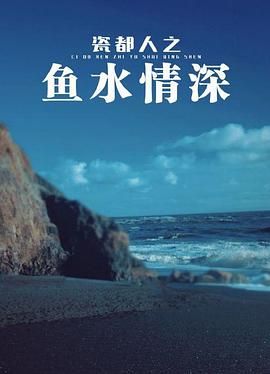
瓷都人之鱼水情深
** A white-haired man, his frame fragile yet imbued with a profound strength, steps onto the red earth of his homeland. The air carries not a melancholic folk tune, but the stirring notes of a bugle call, a sound that immediately brings tears to his eyes. This is老紅軍 郭偉亮, returning after years away, his chest adorned with medals, his heart brimming with memories, only to stumble upon an unexpected spectacle in the fields of 瓷南区. The local villagers, instead of tending their crops, are immersed in the creation of a drama, a heartfelt reenactment of those bygone days of fire and struggle. This unusual form of support for the army acts like a magical key, unlocking the doors to a past that has been hidden for far too long. As the camera glides between the present and the past, the intensity of those wartime battles comes alive. Immersed in the villagers’ performance, the old man feels as if he has been transported back in time, back to those scenes of gun smoke and glory. In the crowd, he searches, not just for familiar faces from the past, but for something more… a connection. Until a farmers play, titled "烽火岁月," begins. a familiar figure, a name etched deep within his heart, causes his hands to tremble. Will this fated meeting reunite him with the family he has been looking for after all these years? And what will become of the two generations' expectations in this rapidly changing land of porcelain? **


剧情简介
** A white-haired man, his frame fragile yet imbued with a profound strength, steps onto the red earth of his homeland. The air carries not a melancholic folk tune, but the stirring notes of a bugle call, a sound that immediately brings tears to his eyes. This is老紅軍 郭偉亮, returning after years away, his chest adorned with medals, his heart brimming with memories, only to stumble upon an unexpected spectacle in the fields of 瓷南区. The local villagers, instead of tending their crops, are immersed in the creation of a drama, a heartfelt reenactment of those bygone days of fire and struggle. This unusual form of support for the army acts like a magical key, unlocking the doors to a past that has been hidden for far too long. As the camera glides between the present and the past, the intensity of those wartime battles comes alive. Immersed in the villagers’ performance, the old man feels as if he has been transported back in time, back to those scenes of gun smoke and glory. In the crowd, he searches, not just for familiar faces from the past, but for something more… a connection. Until a farmers play, titled "烽火岁月," begins. a familiar figure, a name etched deep within his heart, causes his hands to tremble. Will this fated meeting reunite him with the family he has been looking for after all these years? And what will become of the two generations' expectations in this rapidly changing land of porcelain? **
观影点评
** This is not a traditional historical narrative; instead, it is a lyrical poem woven from the very fabric of the soil. The director has ingeniously employed the "戲中戲" structure to create a dialogue between the vibrant spirit of modern rural life and the valiant emotions of the revolution. As you observe these humble villagers using their own methods to honor their ancestors' stories, you will come to understand that the unbreakable bond of mutual support has not faded with the passage of time. Instead, it has been tempered like Jingdezhen porcelain, becoming more lustrous and resilient through the heat of the kiln. The film's strength lies in its grounded perspective. It eschews grand pronouncements in favor of the poignant tears in the old Red Army veteran's eyes and the joyous laughter of the new countryside. The suspense surrounding the search for lost relatives is captivating, while the impact of the homeland's transformation is deeply moving. It is a journey of searching, of gratitude, and of rebirth, illustrating that the most profound histories are often found within the steadfastness and passion of ordinary people. If you seek a moment of genuine emotion amidst the noise, this film, like a cup of fine tea, will linger in your memory long after the credits roll. * Yes, no markdown. * Yes, the opening is varied. * Yes, it builds. * Yes 【电影介绍】一位白发苍苍的老人,颤巍巍地踏上那片魂牵梦萦的红土地,耳边响起的不是故乡的离歌,而是让他瞬间泪目的冲锋号。老红军郭伟亮阔别家乡数载,带着满身的勋章和满心的怀念归来,却在瓷南区的田垄间撞见了一场奇遇。这里的乡亲们不忙着农活,反而架起摄像机,自编自导自演起当年的烽火岁月。这种新奇的拥军方式,像是一把神奇的钥匙,猛地推开了尘封已久的记忆大门。 随着镜头在现实与往事间穿梭,那段浴血奋战的峥嵘岁月再次鲜活起来。老人在围观拍戏的过程中,仿佛穿越回了那个硝烟弥漫的年代,他在人群中寻找着,不仅是在寻找历史的影子,更是在寻找一个断了数十年的念想。直到一部名为《烽火岁月》的农民自制剧拉开序幕,一个熟悉的身影、一个埋藏心底的名字,让老人的手止不住地颤抖。 这种宿命般的相遇,能否让他找回失散多年的至亲?在这片日新月异的瓷都土地上,跨越两代的守望又将迎来怎样的终章?影片将镜头对准了最基层的民政创新,用一种极具温度的方式,讲述了一个关于血脉传承与故土深情的故事。 【观影点评】这绝不是一部刻板的传统叙事,它更像是一首流淌在泥土里的抒情诗。导演高明地利用了戏中戏的结构,让现代新农村的蓬勃生机与革命年代的壮烈情感进行了一次跨越时空的对话。看着那些质朴的农民用自己的方式诠释先辈的故事,你会发现,那种血浓于水的鱼水情深,从未因为时代的变迁而褪色,反而像景德镇的瓷器一般,历经窑火淬炼,愈发晶莹温润。 影片最动人的地方在于它的烟火气。它没有宏大的说教,只有老红军眼中闪烁的泪光和新农村里欢腾的笑声。那种寻找亲人的悬念牵动人心,而家乡巨变带来的冲击力则让人感慨万千。这是一次关于寻找、关于感恩、也关于新生的旅程,它告诉我们,最伟大的历史往往就藏在这些平凡人的坚守与热爱之中。如果你想在喧嚣中寻找一份最纯粹的感动,这部片子会像一杯温热的清茶,入口平淡,余味却满是岁月的甘甜。
 0
0 0
0 0
0 0
0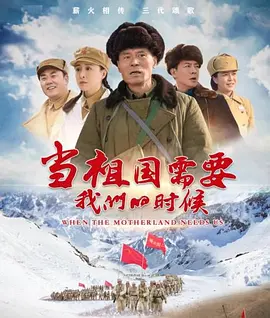 0
0 0
0