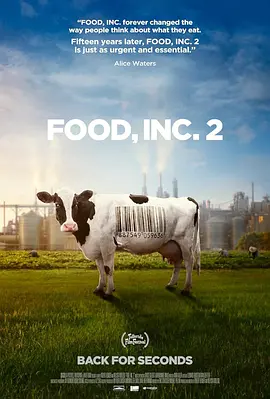
食品公司2
The supermarket shelves, all full and inviting, represent a facade. The documentary *Food, Inc. 2* highlights that our food choices may be more limited than we think. This sequel, directed by Robert Kenner and Melissa Robledo, is not a simple rehash. It focuses on the vulnerabilities that the system exposed during the pandemic, and that the giants have only grown bigger. What really caught my attention? The concept of "ultra-processed foods" and the labor issues are brought under the spotlight. It's designed to make you re-evaluate what's on your dinner plate, and how it came to be.





剧情简介
The supermarket shelves, all full and inviting, represent a facade. The documentary *Food, Inc. 2* highlights that our food choices may be more limited than we think. This sequel, directed by Robert Kenner and Melissa Robledo, is not a simple rehash. It focuses on the vulnerabilities that the system exposed during the pandemic, and that the giants have only grown bigger. What really caught my attention? The concept of "ultra-processed foods" and the labor issues are brought under the spotlight. It's designed to make you re-evaluate what's on your dinner plate, and how it came to be.
播放线路
观影点评
Sequels are uncommon in documentaries, unless reality has become so absurd that we cannot ignore it. While the first film unveiled the cruelties of factory farming, this second part appears to offer a sociological observation about the right to survival. It picks up the post-pandemic angst, focusing on independent farmers struggling within the monopolistic system and laborers whose dignity is taken away. The most disturbing scenes aren't the gruesome processing footage, but the silent control. The director tells us that the main question is no longer about taste or health; it's whether we can still make free food choices. It has the tension of a thriller, making each turn point to a chilling truth: when efficiency becomes the only belief, sacrifices will be made by regular consumers. This film isn't merely about food. It's a medical checkup for modern civilization. After watching it, it is difficult to eat with a sense of awe. 【电影介绍】你以为超市货架上琳琅满目的包装代表着无限的选择,但事实上,你餐盘里的每一块肉、每一粒米,可能都出自那三四家你从未听说过名字的巨头之手。十五年前,一部名为《食品公司》的纪录片像一把手术刀,切开了工业化农业鲜亮的外衣,让无数人开始重新审视自己的晚餐。如今,这把刀又回来了,而且刀锋更利,直指这个看似庞大实则脆弱如纸的全球化供应网。 《食品公司2》并不是简单的冷饭热炒,它聚焦的是那个被疫情彻底撕碎的谎言。当肉类加工厂变成病毒的温床,当农民不得不亲手毁掉滞销的庄稼,而城市超市却空空如也时,我们才猛然发现,这个被少数几家巨型垄断者掌控的系统,正处在崩溃的边缘。第一部的原班人马再度集结,迈克尔·波伦和埃里克·施洛瑟这两位食品界的斗士,带你走进那些被高墙围起的自动化工厂,去看看那些被精密算法计算出来的超加工食品,是如何一步步占领我们的身体。 这部续集不仅深入探讨了劳工权利的丧失,更揭示了科技巨头如何介入我们的土地。它像是一部现实版的科幻惊悚片,只不过所有的怪兽都隐藏在精美的塑料包装之下。电影没有停留在批判,而是试图在废墟中寻找新的出路,去寻找那些试图打破枷锁、回归自然的微光。 【观影点评】很少有纪录片会出续集,除非现实已经荒诞到了让人无法坐视不理的地步。如果说第一部是在揭露工厂化养殖的残酷,那么这一部则更像是一场关于生存权利的社会学观察。它敏锐地捕捉到了后疫情时代的阵痛,将镜头对准了那些在垄断夹缝中求生的独立农场主,以及那些在流水线上被剥夺尊严的劳工,这种视角的变化让影片具备了更深沉的人文关怀。 片中最令人不寒而栗的不是那些血淋淋的加工画面,而是那种无声的控制。导演用极具张力的叙事告诉我们,现在的问题不再仅仅是好不好吃、健不健康,而是我们是否还拥有选择食物的自由。这种压迫感被处理得像是一部节奏紧凑的悬疑片,每一个反转都指向一个冰冷的真相:当效率成为唯一的信仰,牺牲的必然是每一个普通的消费者。 看完这部片子,你可能会在超市的过道里徘徊良久,那种对日常生活的陌生感会油然而生。它不仅仅是一部关于食物的电影,它更是一份写给现代文明的体检报告。它并没有给出廉价的安慰,而是用一种近乎残酷的清醒告诉我们,改变餐盘里的食物,本质上就是在改变我们与这个世界相处的方式。这绝对是一部值得拉上全家人一起看、看完后能聊上一整晚的醒脑之作。
 0
0 0
0 0
0 0
0 0
0 0
0