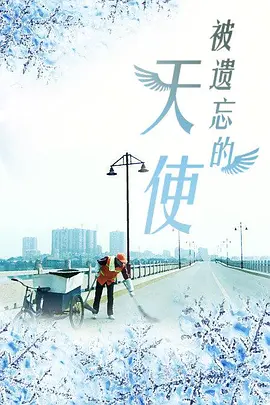
被遗忘的天使
This film, directed by Li Xiang, is the first Chinese film centered on sanitation workers. It's about Zhang Guoqiang, a sanitation worker. I picture him in his orange vest, not a superhero, but the embodiment of everyday effort. The movie isn't about grand narratives or overly sentimental moments; it's about the grit, the daily struggles, the small acts of dedication that are usually overlooked. It follows Zhang Guoqiang's life: the cold weather, the unappreciative people, the pressures of home. It’s a quiet story about dignity and responsibility. This isn't just about cleaning streets, it's about safeguarding the city's face. How does this "nobody" manage to hold on when faced with so much adversity? The film makes the invisible visible. It forces us to confront this question of how society treats its most essential workers.


剧情简介
This film, directed by Li Xiang, is the first Chinese film centered on sanitation workers. It's about Zhang Guoqiang, a sanitation worker. I picture him in his orange vest, not a superhero, but the embodiment of everyday effort. The movie isn't about grand narratives or overly sentimental moments; it's about the grit, the daily struggles, the small acts of dedication that are usually overlooked. It follows Zhang Guoqiang's life: the cold weather, the unappreciative people, the pressures of home. It’s a quiet story about dignity and responsibility. This isn't just about cleaning streets, it's about safeguarding the city's face. How does this "nobody" manage to hold on when faced with so much adversity? The film makes the invisible visible. It forces us to confront this question of how society treats its most essential workers.
播放线路
观影点评
The impact of this film hits you like warm water. It's a restrained film; the director doesn’t resort to pity. It’s more of an honest portrayal. Xia Zhuangwei’s performance is incredible. You almost believe he's really a seasoned sanitation worker. The silence in the face of rudeness, the simple smile when seeing a clean street... it gives the character real weight. The film's strength lies in the contrast: they clean up the dirtiest places, but their souls are pure. It is such an effective technique to create a response. I mean, we enjoy our clean cities, but we don’t often think about who makes it happen. The film forces us to think about that, to see the collective blindness we have towards these workers. It's more than a story about sanitation workers, it’s about respect and equality. They're the city's forgotten angels, the guardians working in the shadows. If you're feeling jaded or detached, it is worth watching. It's a reminder to see the world again, with a fresh lens of respect for every seemingly ordinary life. 【电影介绍】 凌晨四点半的街道,路灯还在昏黄地打着瞌睡,整座城市沉浸在最深沉的梦乡里。就在这种寂静中,一阵沙沙的扫帚声由远及近,像是一首单调却有节奏的晨曲,划破了黎明前的冷清。这就是电影《被遗忘的天使》带给我们的第一个画面。 故事的主角张国强是一个再平凡不过的环卫工人。他每天穿着那身橘红色的工作服,穿梭在城市的大街小巷,捡拾着别人随手丢弃的文明,也见证着这个社会最真实的人情冷暖。影片没有宏大的叙事,也没有刻意煽情的桥段,它只是把镜头对准了那把磨损的扫帚和那双布满老茧的手。张国强在工作中会遇到冷眼,会遭遇家人的不解,甚至要在极端恶劣的天气下坚守岗位。但就在这些琐碎的日常里,一个关于尊严和责任的故事悄然展开。他不仅仅是在清扫街道,更像是在守护这座城市的体面。 然而,生活并不会因为你的善良和勤恳就格外开恩。当家庭的重担、工作的压力以及旁人的偏见接踵而至时,这位一直默默无闻的汉子该如何守护他心中的那份坚持?那些被我们习惯性忽略的身影,在褪去那层橘红色的外壳后,又有着怎样鲜活而又内心波澜的人生? 【观影点评】 看完这部电影,最直观的感受就像是喝了一杯温热的白开水,入口平淡,入喉却有一股暖意直抵心窝。它是一部非常克制的电影,导演李相没有用那种居高临下的姿态去施舍同情,而是选择平视,让观众真正走进环卫工人这个群体。 夏庄炜的表演极其自然,你甚至会怀疑他是不是真的在环卫一线干了十几年的老班长。他那种面对无礼路人时的沉默,以及看到干净街道时露出的憨厚笑容,都让这个角色充满了生命力。电影最打动人的地方在于那种强烈的反差:他们清扫着最脏的角落,却拥有着最纯净的灵魂。 我们总是习惯于享受整洁的环境,却很少去思考这背后的代价。这部影片像是一面镜子,照出了社会对体力劳动者的某种集体性盲区。它不仅仅是在讲环卫工人的故事,更是在探讨人与人之间的尊重与平等。它提醒我们,那些在霓虹灯影里弯腰的身影,其实是这个城市最不可或缺的守护天使。如果你最近觉得生活浮躁,或者对周遭的一切感到麻木,不妨静下心来看看这部片子,它会让你学会重新观察这个世界,学会对每一个路过的平凡生命报以敬意。
 0
0 0
0 0
0 0
0 0
0 0
0