


剧情简介
like an introductory summary. It'll be a brief introduction to the film. Then, a section for my commentary,
播放线路
观影点评
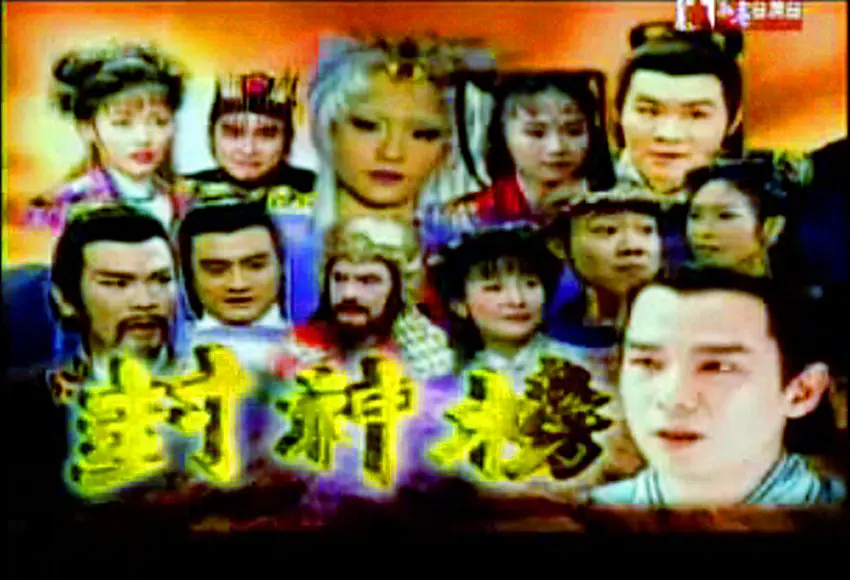
. I'm starting with a visual. It's that blood-red meatball rolling on the floor. It's so strange, it works. Then, Li Jing's horror as he's confronted with this strange birth, the ominous prophecy that his son will bring about the downfall of the dynasty. This sets up the central conflict: a father bound by duty, a son who might be destined for destruction. I'll paint a picture of Nezha's rebellious youth. The early scenes of him as a spoiled child, then his transition into something more, under the wing of Huang Feihu. I need to introduce the key characters, like Yang Jian, but without making it feel like a lecture. I want it to feel like the story is unfolding. The build-up is important, leading to that tragic incident with the Dragon King's son. And then, the sacrifice, the dramatic "flesh for mother, bone for father" moment that really solidifies the emotional core of the film. My commentary will focus on the emotional impact. It's not just a fantasy tale; it's a family drama. The acting, especially Wang Geng-hao's Nezha, and the performance from his mother figure will be highlighted. There's this particular "Taiwanese drama" style—melodramatic but affecting. The specific visual effects of that era, the dated, sometimes low-budget, but creative effects. That's part of the charm now. And the "prodigal son" theme, which is so poignant in this specific interpretation. I think the flow is good. I need to keep it focused on the characters, the emotional beats. And to emphasize the bittersweet nature of this version. The nostalgia will be the hook. The goal is to share this, and get people to watch it. I think I have it. 【电影介绍】 一个血红色的肉球在将军府的地板上诡异地跳动,李靖颤抖着拔出长剑,本以为是妖孽降世,没成想剑锋劈开肉壳,跳出来的竟是一个眉心带红、灵气逼人的两岁孩童。这就是两千年前那个让天地变色的顽童哪吒,他的降生没有带来阖家团圆的喜悦,反而成了李家挥之不去的梦魇。因为商朝帝王的一个噩梦,预言这个孩子将是灭商的元凶,亲生父亲李靖在忠君与骨肉之间,硬生生地划下了一道无法愈合的鸿沟。 这个版本的哪吒不再是生来就懂事的英雄,他更像是一个被宠坏了的叛逆少年。他在女娲庙里尝过孤独,也在大将军黄飞虎的溺爱下变得不可一世。他会因为一时意气向父亲借取镇天箭,也会为了捉住幻化成雷鸟的雷震子而闹得天翻地覆。当他遇见了命中注定的伙伴杨戬和温柔如水的莲花,少年心性里的那份狂傲被推向了顶峰,却浑然不知命运的绞索已经悄然套在了脖颈上。 最让人揪心的转折发生在东海之畔。哪吒误杀龙王三太子的那一刻,所有的矛盾彻底爆发。四海龙王水淹陈塘关,李靖的冷漠、殷十娘的绝望,将哪吒逼到了绝路。在那场凄风苦雨中,少年挺直了脊梁,说出了那句震碎无数人心肠的话,他要削骨还父、削肉还母。当曾经鲜活的生命化作一缕游魂,当莲花牺牲自己让他重塑莲藕之身,这不仅仅是一个神话的重生,更是一个灵魂在痛苦中真正长大的成人礼。 【观影点评】 这部2000年的台湾版封神榜,虽然没有现代特效那种毁天灭地的视觉冲击,却有着一种极其浓郁的烟火气和情感张力。它把那些高高在上的神仙拉下了凡尘,让我们看到的不是一尊尊神像,而是一群有血有肉、会疼会哭的人。尤其是剧中对母子情的刻画,殷十娘对哪吒那种近乎卑微的守护,简直是全剧最大的泪点,每次看到她为了闯祸的儿子向四方求情,那种心碎感几乎溢出屏幕。 演员们的表演带有一种那个时代特有的热诚,王耿豪饰演的哪吒,将那种年少轻狂与后期的沉稳内敛衔接得恰到好处。剧中台语的韵味更是为这部作品增添了一层独特的民间史诗感,仿佛是在庙口听一位老先生娓娓道来那些古老的故事。虽然当年的五毛特效现在看来有些稚嫩,但那种古典的武打设计和扎实的剧情推进,依然能让人一口气追下去。 它最动人的地方在于对宿命的探讨。一个人是否真的能摆脱预言的诅咒?父子之间的隔阂究竟需要多少血泪才能填平?当哪吒变回莲藕人,重新学习走路、重新学习爱人的时候,这部剧已经超越了奇幻冒险的范畴,变成了一部关于自我救赎和成长的启示录。如果你想看一部情感浓度极高、人物性格鲜明的神话剧,这一版绝对是记忆中那颗最耀眼的明珠。
 0
0 0
0 0
0 0
0 0
0 0
0