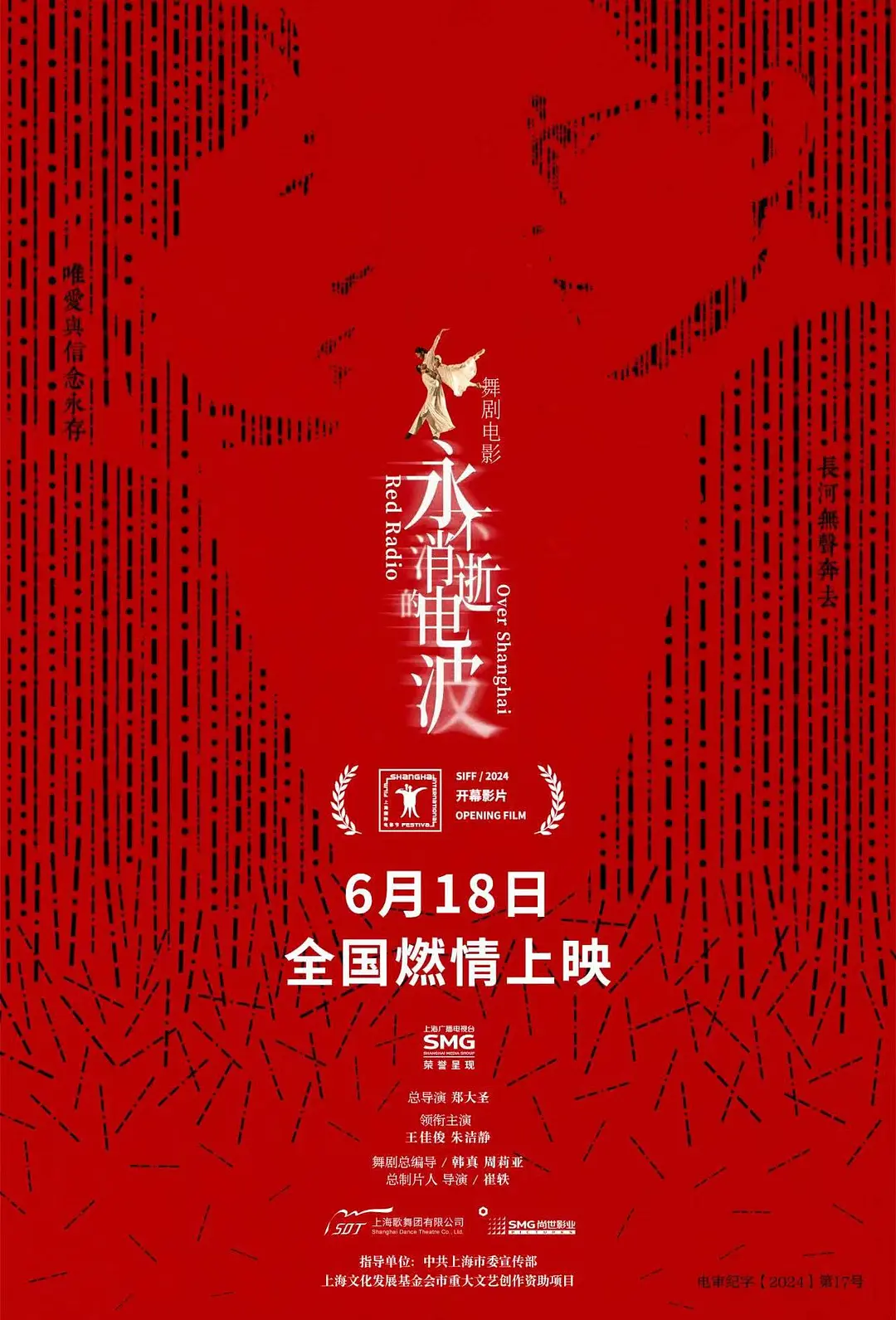
永不消逝的电波2024
** The image that keeps coming to mind is of a dimly lit attic room, a lone lamp casting shadows, and the persistent tick-tock of a telegraph key. The air itself feels heavy with the dampness of a Shanghai rainstorm. It's a city of neon and hidden dangers, a period of isolation. A couple, seemingly ordinary, navigating the everyday routines within their shikumen lanes, while in the dead of night, they are entrusting their very souls to invisible radio waves. It's so much more than a tale of espionage and sacrifice; it's a relentless battle of body and soul. What truly sets this film apart is the absolute absence of dialogue. Zheng Dasheng, the director, captures a hundred-minute silent confession through his lens. All the heart-stopping suspense, the restrained emotions, the poignant farewells – they're all distilled into the dancers' physical language. Wang Jiajun and Zhu Jiejing, these two exceptional dancers, demonstrate near-flawless control, portraying the tension of life hanging by a thread and the warmth of a shared life with such remarkable depth. You witness the elegance and peril of Shanghai's Bund in the sway of a cheongsam. You feel the strength of their belief in every fleeting touch. As the enemy closes in, the tempo of the telegraph increases, and the unspoken tension is so palpable you feel it could shatter the screen. This isn’t just a stage recreation; it's a profound intersection of cinematic art and modern dance, transporting you back to that era where neon and shadows intertwine, allowing you to witness a legend that will never fade. **




剧情简介
** The image that keeps coming to mind is of a dimly lit attic room, a lone lamp casting shadows, and the persistent tick-tock of a telegraph key. The air itself feels heavy with the dampness of a Shanghai rainstorm. It's a city of neon and hidden dangers, a period of isolation. A couple, seemingly ordinary, navigating the everyday routines within their shikumen lanes, while in the dead of night, they are entrusting their very souls to invisible radio waves. It's so much more than a tale of espionage and sacrifice; it's a relentless battle of body and soul. What truly sets this film apart is the absolute absence of dialogue. Zheng Dasheng, the director, captures a hundred-minute silent confession through his lens. All the heart-stopping suspense, the restrained emotions, the poignant farewells – they're all distilled into the dancers' physical language. Wang Jiajun and Zhu Jiejing, these two exceptional dancers, demonstrate near-flawless control, portraying the tension of life hanging by a thread and the warmth of a shared life with such remarkable depth. You witness the elegance and peril of Shanghai's Bund in the sway of a cheongsam. You feel the strength of their belief in every fleeting touch. As the enemy closes in, the tempo of the telegraph increases, and the unspoken tension is so palpable you feel it could shatter the screen. This isn’t just a stage recreation; it's a profound intersection of cinematic art and modern dance, transporting you back to that era where neon and shadows intertwine, allowing you to witness a legend that will never fade. **
播放线路
观影点评
** If the summit of language is music, then the zenith of music must surely be dance. Watching this film, I was struck by how utterly inadequate words become when faced with such raw beauty. The explosive power held within the silence is more powerful than any shout. We're so used to bombastic pronouncements in these historical dramas, but this film chooses to have the body speak. You'll find that a glance, a paused breath, can communicate a love story during wartime in a way that is so sophisticated. The cinematic perspective shatters the fourth wall of the stage, offering an intimate view of the minute muscle tremors. You can see the solitary courage of those who choose to burn themselves for their ideals, captured with an epic, heartbreaking beauty. It's not just a reinvention of a 'red' classic; it's a complete audiovisual feast. The lighting is meticulously planned; the transition between black and white and color represents not just a temporal shift, but also the fluctuating emotions. If you're seeking something different, if you want to experience a profound and restrained love in this turbulent era, then this film will keep you glued to your seat until the very end, until the familiar sound of the telegraphic waves lingers in your ears. 【电影介绍】 昏暗的阁楼里,只有一盏孤灯和滴答作响的电报机,空气中弥漫着老上海阴雨天的潮湿与压抑。在那个被称为孤岛的岁月里,有一对特殊的夫妻,他们每天在石库门的弄堂里演着最寻常的烟火生活,却在深夜里把灵魂交付给看不见的波段。这不仅仅是一个关于情报与牺牲的故事,更是一场关于身体与灵魂的极致博弈。 整部电影最令人震撼的地方在于,它彻底摒弃了台词。导演郑大圣用镜头捕捉了一场长达百分钟的无声告白,所有的惊心动魄、隐忍克制和生死离别,全部揉碎在了舞者的肢体语言中。男主角王佳俊和女主角朱洁静,这两位顶级舞者用近乎完美的控制力,将那种命悬一线的紧迫感和相濡以沫的温情刻画得入木三分。 你能在旗袍的摆动中看到上海滩的繁华与危机,也能在每一次指尖的触碰中感受到信仰的力量。当敌人一步步逼近,电波的节奏越来越快,那种无声的张力几乎要冲破银幕。这不再是单纯的舞台复刻,而是一次电影艺术与现代舞的深度碰撞,带你穿越回那个霓虹与暗影交织的时代,去见证一段永不消逝的传奇。 【观影点评】 如果说语言的尽头是音乐,那么音乐的尽头一定是舞蹈。看这部片子时,我最大的感受就是文字在绝对的美感面前显得如此苍白。那种静谧中的爆发力,比任何嘶吼都要震慑人心。 以往我们看这类题材,习惯了慷慨激昂的陈词,但这部电影却选择让身体说话。你会发现,原来一个眼神的回眸、一次呼吸的停顿,就能把那种战火中的浪漫讲得如此高级。电影镜头打破了舞台的第四面墙,它带你近距离观察那些细微的肌肉震颤,那种为了守护理想而甘愿燃烧自己的孤勇,被拍出了一种史诗般的凄美感。 它不仅是一部红色经典的重塑,更是一场视听盛宴。光影的运用极其考究,黑白与色彩的交替不仅是时间的跨越,更是情感的起伏。如果你想看点不一样的,想在这个浮躁的时代感受一份深沉且克制的爱,那么这部电影绝对会让你在影院里坐到最后一秒,直到那串熟悉的电波声在耳畔久久回响。
 0
0 0
0 0
0 0
0 0
0 0
0