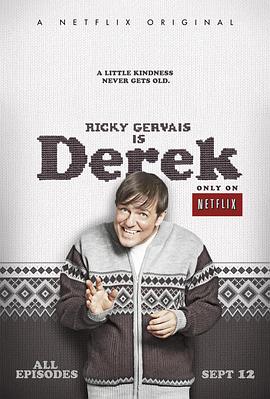
德里克第一季
The best way to start, I believe, is with a scene. Let's see... a man, messy hair, a slight hunch, staring at an old person with what can only be described as pure, unadulterated love. That captures the essence. It has to be diverse in the opening; no cliché openings. Let's introduce Derek. He isn't your typical "cool" protagonist. He's... well, a bit slow, maybe on the spectrum (though the show thankfully doesn’t label him), but his heart is absolutely golden. The setting is key: a nursing home. A place many would avoid, somewhere that often exudes a sense of sadness. But in *Derek*, it’s different. Hannah, the manager, is the soul of the place. Dougie, the handyman, is the grumpy but fiercely loyal one. The style? It's like *The Office*, but warmer. The mockumentary style is perfect. The main conflict revolves around the home's underfunding and the threat of closure. I need to use vivid language here. Think "dusty sunlight," "wrinkled smiles," "unfiltered kindness."




剧情简介
The best way to start, I believe, is with a scene. Let's see... a man, messy hair, a slight hunch, staring at an old person with what can only be described as pure, unadulterated love. That captures the essence. It has to be diverse in the opening; no cliché openings. Let's introduce Derek. He isn't your typical "cool" protagonist. He's... well, a bit slow, maybe on the spectrum (though the show thankfully doesn’t label him), but his heart is absolutely golden. The setting is key: a nursing home. A place many would avoid, somewhere that often exudes a sense of sadness. But in *Derek*, it’s different. Hannah, the manager, is the soul of the place. Dougie, the handyman, is the grumpy but fiercely loyal one. The style? It's like *The Office*, but warmer. The mockumentary style is perfect. The main conflict revolves around the home's underfunding and the threat of closure. I need to use vivid language here. Think "dusty sunlight," "wrinkled smiles," "unfiltered kindness."
观影点评
This film is a "cry-laugh" experience. This isn't just a comedy; it's a poignant exploration of humanity. Gervais is known for his biting satire, but this is his most tender work. It's a love letter to the marginalized. It challenges how we view the elderly and those who are "different." It’s a thoughtful and meaningful work. The emotional hook isn't cheap sentimentality; it’s raw, awkward honesty. It makes you confront your own preconceptions. So, why watch it? To remember what it truly means to be human, to be kind, and to see the beauty in the ordinary. 【电影介绍】一个总是缩着肩膀、留着乱糟糟刘海的中年男人,正对着镜头露出一个近乎笨拙的纯真笑容。他叫德里克,在伦敦郊区一家略显破旧的老人院里打杂。如果你习惯了那些快节奏的都市剧,初看德里克可能会觉得他慢得有些出奇,他甚至分不清现实与玩笑的边界,但在他的世界里,唯一的准则就是对他人的善良。 这部剧采用了伪纪录片的拍摄视角,镜头就像一个安静的观察者,穿梭在养老院那铺着廉价地毯的长廊里。这里的主角不是什么社会精英,而是一群被世界遗忘在角落里的老人,以及几个同样看起来不太合群的边缘人。养老院的经理汉娜是个风风火火的铁娘子,她把所有的青春都奉献给了这群孤寡老人;还有那个整天抱怨生活、长得像个苦瓜的维修工道格。 故事就在这些琐碎的日常中展开,没有惊天动地的反转,只有德里克如何用他那近乎原始的同情心,去缝补老人们孤独的晚年。然而,平静的生活总有涟漪,养老院面临着资金短缺和被关闭的风险,这些在社会评价体系中处于底层的人们,不得不抱团取暖,去守护他们最后的避风港。 【观影点评】瑞奇·热维斯这次收起了他往日那种尖酸刻薄的讽刺锋芒,把一颗最柔软的心揉碎了放进这部剧里。他饰演的德里克就像是一面照妖镜,照出了现代社会那种自以为是的聪明和冷漠。很多时候我们看这部剧,会经历一种很奇妙的情绪转换:前一秒还在为那些荒诞的英式冷幽默捧腹大笑,后一秒就会因为老人们一个落寞的眼神而突然鼻酸。 这不仅仅是一部关于养老院的作品,它更像是一首献给那些不起眼的小人物的赞美诗。剧里没有刻意去煽情,它只是把生老病死这种沉重的话题,包裹在那些看似平淡的对话里。德里克这个角色最动人的地方在于,他并不觉得自己是在做慈善,他只是单纯地觉得,老人们曾经也是孩子,他们值得被温柔对待。 如果你最近觉得生活有些紧绷,或者对这个世界感到一丝失望,那么这部剧会是一剂良药。它会让你意识到,在这个崇尚效率和成功的时代,善良其实是一种最奢侈、也最动人的超能力。它不讲大道理,只是安静地告诉你,即便是在最昏暗的角落,只要有一点点善意的微光,就能把整个世界点亮。
 0
 0
 0
 0
 0
 0