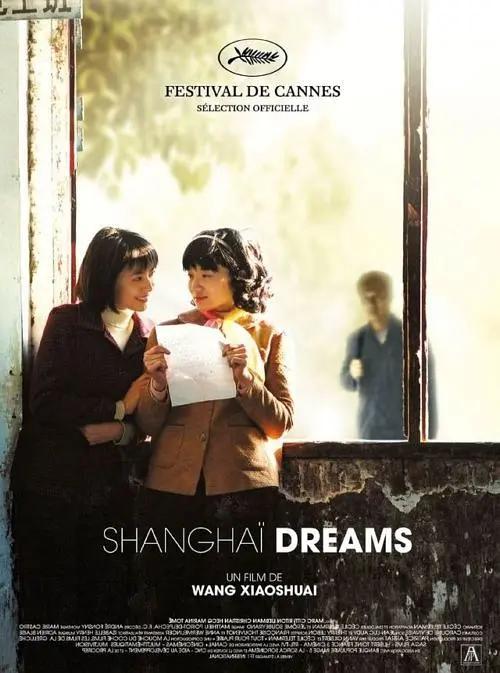
青红2005
These families, they’re caught between worlds. The parents, especially the father, are desperate to return to Shanghai. To them, Guizhou is just a temporary stop, a kind of purgatory. The film really digs into that generational conflict. But Qing Hong, she's different. She’s rooted in this place, in the soil, in a secret, unspoken love with Xiao Gen, a local boy. It's a pure love, blossoming in the shadows. He’s the local boy, her reality. The tension comes from her father. He’s terrifyingly controlling, his grip tightening like a vise. The return to Shanghai plan looms, suffocating them all. Qing Hong tries to fight it, but it’s a losing battle. And the climax, it's brutal, a desperate act triggered by the impending move, it’s a moment of release and a plunge into tragedy. It's so emotionally charged.






剧情简介
These families, they’re caught between worlds. The parents, especially the father, are desperate to return to Shanghai. To them, Guizhou is just a temporary stop, a kind of purgatory. The film really digs into that generational conflict. But Qing Hong, she's different. She’s rooted in this place, in the soil, in a secret, unspoken love with Xiao Gen, a local boy. It's a pure love, blossoming in the shadows. He’s the local boy, her reality. The tension comes from her father. He’s terrifyingly controlling, his grip tightening like a vise. The return to Shanghai plan looms, suffocating them all. Qing Hong tries to fight it, but it’s a losing battle. And the climax, it's brutal, a desperate act triggered by the impending move, it’s a moment of release and a plunge into tragedy. It's so emotionally charged.
播放线路
观影点评
It’s the atmosphere that really grabs you. Wang Xiaoshuai, he was there, he lived this experience, and he captures it so precisely, so honestly. Gao Yuanyuan – her performance is stunning. It’s a silent, restrained beauty, yet full of this deep sorrow and silent rebellion. She’s like a fragile flower crushed by history. And Yao Anlian as the father? He's chillingly real. It’s not a simple villain. It's this complex character, driven by homesickness and anxiety. He's suffocating with his "for your own good" control. He's trapped, and he traps her. Their connection, this love and hate, is the core of the film’s power. The film's color palette is cool, almost clinical. The sounds – the factory hum, the wind in the mountains – create this feeling of inescapable fate. It's not just a love story; it’s about this unbridgeable gap between generations, the individual against a massive historical movement. It's a bitter pill to swallow, and the taste lingers long after the credits roll. It is a powerful film. 【电影介绍】 雾气蒙蒙的贵州深山里,一个穿着鲜红外衣、蹬着红色皮鞋的女孩,在灰暗沉闷的厂区街道上走过,那种明亮的色彩与周围荒凉的景色显得格格不入。这个女孩叫青红,她正值十九岁的花样年华,却被一种难以言说的压抑感紧紧笼罩着。她的父母是当年响应国家号召,从繁华上海迁来支援三线建设的知识分子,在这些老一代人眼里,这片大山只是暂时的落脚点,重返上海才是他们余生唯一的救赎。 青红的父亲是一个极度严苛、甚至有些偏执的男人。他像看管囚犯一样监控着女儿的一举一动,掐灭一切可能让她留在当地的火苗,因为在他看来,留在这里就等于毁了前程。然而,青红对那个远在天边的上海并没有多少归属感,她的根已经扎在了这片泥土里,也扎在了当地小伙子小根的身上。那是一段极其纯粹却又见不得光的初恋,两人在山间的小路上匆匆会面,在简陋的地下舞厅里笨拙旋转,试图在密不透风的生活里凿出一道属于自己的光。 随着父亲回沪计划的决绝推进,家庭内部的张力被拉到了断裂的边缘。青红用沉默和绝食做着无声的反抗,而父亲则用暴力和恐吓捍卫着他所谓的家庭未来。就在全家搬迁的日子近在咫尺时,青红与小根之间积压已久的情绪,在后山的荒草丛中,以一种谁也没料到的、极其惨烈的方式彻底爆发,将所有人的生活推向了无法挽回的深渊。 【观影点评】 这部电影就像一根细长而冰冷的针,缓慢而精准地扎进那个时代的皮肤里,带出一阵隐隐作痛的真实感。导演王小帅用一种近乎残酷的冷静,还原了八十年代那段被宏大叙事掩盖的个体悲剧。高圆圆在片中展现了一种惊人的静谧美,她几乎没有多少台词,但那双写满忧郁和倔强的眼睛,成了整部电影最动人的注脚。她美得像一朵在石缝中艰难绽放的红花,却最终在时代的巨轮下被碾得粉碎。 最让人不寒而栗的是姚安濂饰演的父亲,他那种打着“为你好”旗号的控制欲,真实得让人透不过气。他并不是传统意义上的恶人,他只是一个被乡愁和焦虑折磨疯了的异乡人,把所有的希望和恐惧都沉重地压在了女儿肩上。这种父权压制下的爱,比任何刻意的冲突都更令人感到绝望和心碎。 影片的色调始终是清冷而克制的,背景中充斥着工厂的轰鸣和山间的风声,营造出一种无处可逃的宿命感。它不仅是在讲述一段悲剧式的初恋,更是在探讨两代人之间无法逾越的鸿沟,以及个人命运在历史洪流面前的渺小与无奈。看完之后,那种苦涩感会像潮水一样慢慢涌上来,让你在很长一段时间里,都会记得那个穿着红裙子、眼神空洞地望向远方的女孩。
 0
0 0
0 0
0 0
0 0
0 0
0