棉花开花的日子
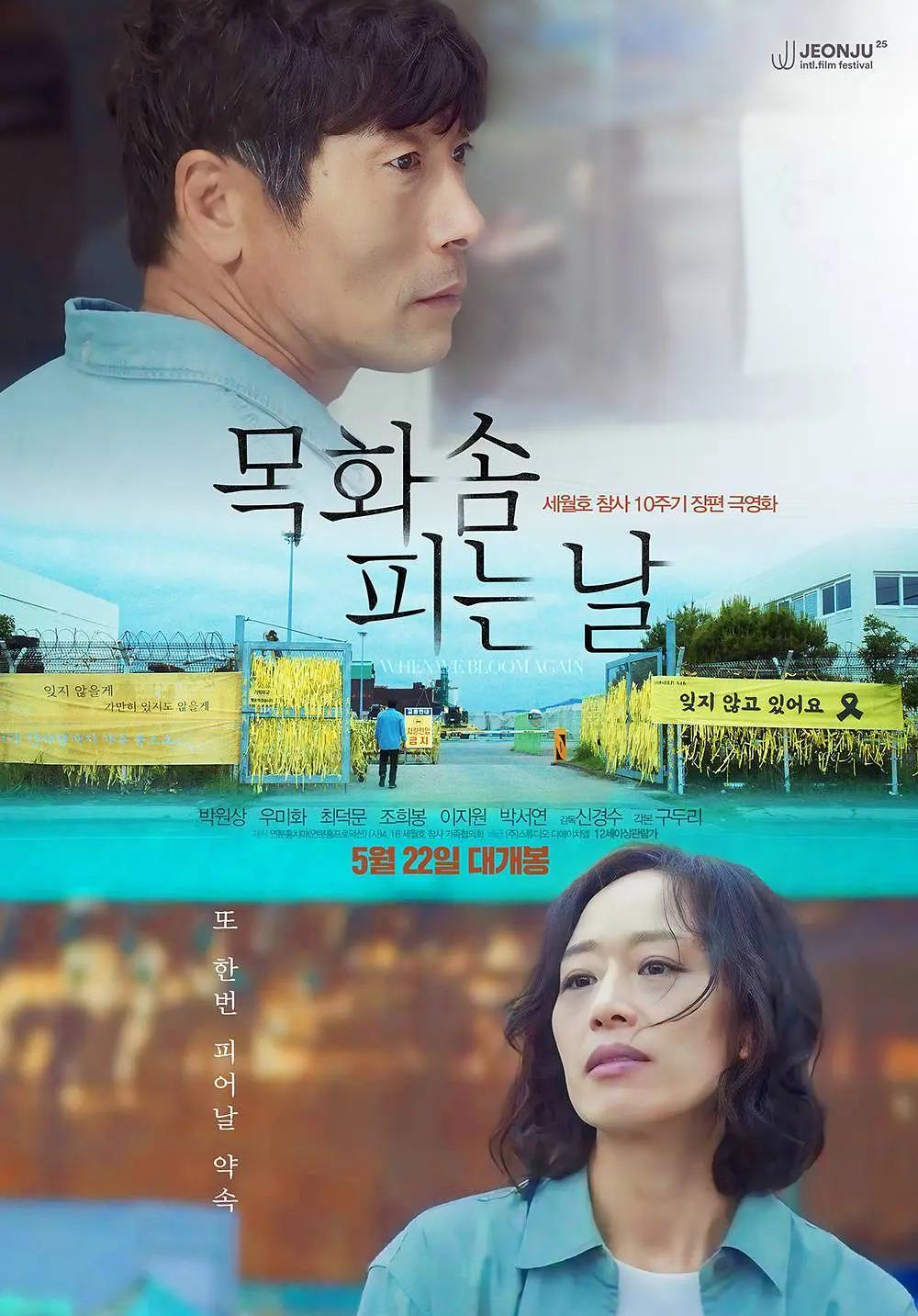
I'm starting with a visual, a feeling. Let's see... a weathered father, a faded photograph clutched tight in his hand. He’s standing by the sea, not with anger, but with a profound, almost hopeless confusion. That image, that’s the film's starting point. This isn’t a scream of grief; it’s the heavy, suffocating silence after the storm. The story follows a father who lost his daughter in the Sewol tragedy. Ten years have passed, and he's not just grappling with grief; he's losing his memory. It's a cruel irony, isn't it? He desperately wants to hold onto those precious memories, to piece together the fragments of his daughter’s life, but his mind is betraying him. The director, Shin Kyung-soo, is apparently using a very restrained approach, and I really appreciate that. He’s drawing us into this father's fragmented world. He keeps returning to the port, searching for some long-forgotten detail in his fading memories. Other family members who share his pain are also dealing with their own unhealed scars. The film's about this time-warp effect. On one side, the city is celebrating the anniversary. On the other, the father's in this lonely battle with his memory. He's racing against time, but also against his own mind. Things that were once buried are starting to come up, the regrets, the things that were never said. It’s all so very apparent in the season of blooming cotton.




剧情简介
I'm starting with a visual, a feeling. Let's see... a weathered father, a faded photograph clutched tight in his hand. He’s standing by the sea, not with anger, but with a profound, almost hopeless confusion. That image, that’s the film's starting point. This isn’t a scream of grief; it’s the heavy, suffocating silence after the storm. The story follows a father who lost his daughter in the Sewol tragedy. Ten years have passed, and he's not just grappling with grief; he's losing his memory. It's a cruel irony, isn't it? He desperately wants to hold onto those precious memories, to piece together the fragments of his daughter’s life, but his mind is betraying him. The director, Shin Kyung-soo, is apparently using a very restrained approach, and I really appreciate that. He’s drawing us into this father's fragmented world. He keeps returning to the port, searching for some long-forgotten detail in his fading memories. Other family members who share his pain are also dealing with their own unhealed scars. The film's about this time-warp effect. On one side, the city is celebrating the anniversary. On the other, the father's in this lonely battle with his memory. He's racing against time, but also against his own mind. Things that were once buried are starting to come up, the regrets, the things that were never said. It’s all so very apparent in the season of blooming cotton.
播放线路
观影点评
Rather than an adrenaline-fueled disaster movie, this seems to be about the aftermath, the long, slow reverberations. It's like a dull blade, slowly carving into your heart. The pain isn't explosive; it's a slow burn of empathy. Park Won-sang is apparently giving a masterclass in acting, conveying such nuanced layers of restraint and vulnerability, the way a father feels trapped on the verge of lucidity and confusion. The film's metaphors about memory are spot on. Memory isn’t a fixed photograph; it’s like cotton fluff, blowing away in the wind. Rememberance is painful for the survivors and family, but forgetting is a different kind of death. It doesn't offer cheap solutions or easy answers. It's just sitting with the father as he moves forward. We see how human dignity is gradually repaired in the face of immense trauma. This goes beyond a simple memorial; it's asking a deeper question. When does the pain become part of your life? How do you define what comes next? It's not melodramatic, but the quiet moments speak volumes. When you're done, you realize that the most powerful thing isn't the fight; it’s the tenderness of finding a flower in the ruins. I’m thinking this is one film to watch carefully this year. It'll make us think hard about what it really means to remember and to forget. 【电影介绍】 一阵海风吹过,年过半百的父亲站在码头,手里紧紧攥着一张早已泛黄的照片,眼神里透出的不是愤怒,而是一种近乎绝望的迷茫。这是电影《棉花开花的日子》给出的第一抹底色,它没有撕心裂肺的哭喊,却有一种让人喘不过气来的厚重感。故事的主角是一位在世越号事故中失去女儿的父亲,十年过去了,周围的人都在劝他放下,劝他向前看,可他却发现自己陷入了一个更可怕的泥潭:他的记忆正在加速流失。 这种流失像是一场无声的背叛。他拼命想要记住女儿的点点滴滴,想要在那场灾难的碎片中拼凑出完整的真相,可阿尔兹海默症的阴影却像涨潮的海水,一点点吞噬掉他赖以生存的精神支柱。导演申景秀用一种极其克制的手法,带我们走进这位父亲支离破碎的世界。他开始频繁地回到那个港口,试图在模糊的记忆中寻找某个被遗忘的细节,而那些曾经共同经历痛苦的家属们,每个人身上都带着无法愈合的烙印。 影片最抓人的地方在于那种时间错位感。一边是整座城市在十年后的歌舞升平,一边是这位父亲在记忆迷宫里的孤独负重。他不仅是在与时间赛跑,更是在与自己的大脑博弈。随着剧情推移,一些被尘封的往事开始浮现,那些关于遗憾、关于未说出口的话、以及关于如何带着伤疤活下去的挣扎,在棉花盛开的季节里显得格外刺眼,仿佛在提醒着所有人,有些伤口永远不会真正愈合。 【观影点评】 如果说很多灾难题材电影是在试图还原那一刻的惊心动魄,那么这部作品则是把镜头对准了海浪平息后的漫长余震。它像是一把钝刀子,慢慢地磨在观众的心口上,那种痛感不是瞬间爆发的,而是细水长流的共情。主演朴元尚的表演堪称教科书级别,他把一个父亲的隐忍、脆弱以及在清醒与糊涂边缘挣扎的无助感,演绎得淋漓尽致,哪怕只是一个颤抖的背影都写满了故事。 我特别喜欢电影中关于记忆的比喻。记忆不是固定的照片,而是会随风飘散的棉絮,抓不住却又无处不在。对于幸存者和家属来说,记住是痛苦的,但遗忘却是另一种形式的消亡。电影并没有给出什么廉价的治愈方案,它只是静静地陪着这位父亲走了一段路,让我们看到在巨大的创伤面前,人类的尊严是如何在琐碎的生活中一点点被缝补起来的。 这不仅仅是一部关于特定事件的纪念电影,它触及了更深层的命题:当痛苦成为生命的一部分,我们该如何定义余生?它没有刻意煽情,却在每一个安静的空镜里写满了千言万语。看完之后,你会发现最动人的力量往往不在于激烈的对抗,而在于那种哪怕满身伤痕也要在废墟上寻找一朵花的温柔。这绝对是今年最值得静下心来细细品味的一部韩影,它会让你重新审视遗忘与铭刻的意义。
 0
0 0
0 0
0 0
0 0
0 0
0