大丈夫2014
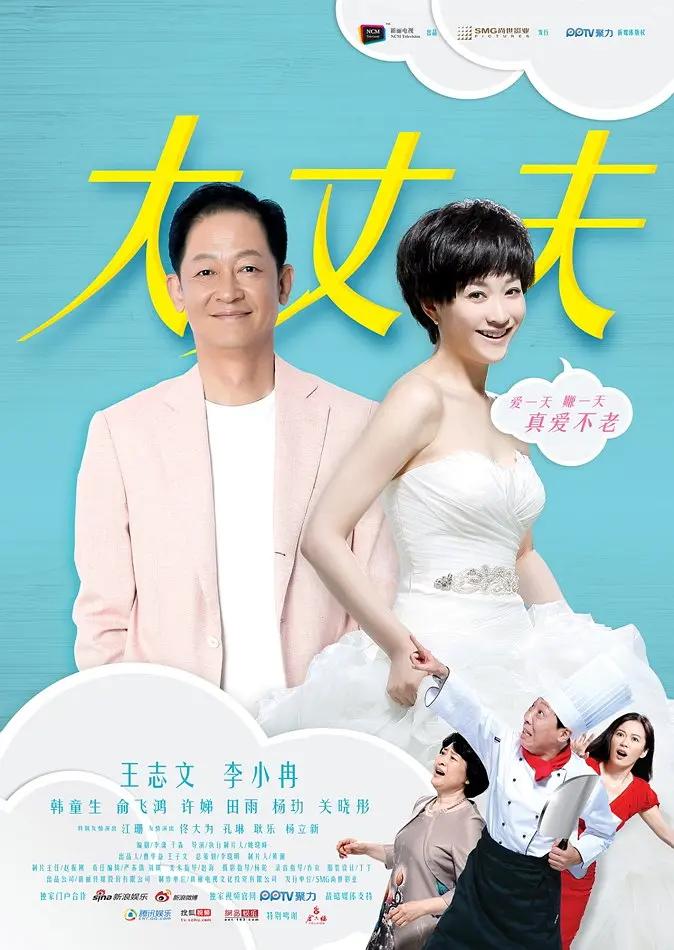
」 I want to start with a scene. Let's paint a picture: Grandpa Gu, sweat beading on his brow in the kitchen, preparing for his birthday celebration. He anticipates a happy occasion, only for his plans to be disrupted when his second daughter, Gu Xiaojun, introduces her "surprise" – her boyfriend, Ouyang Jian. This man, standing at the door, is not a young up-and-comer, but her former professor, a man almost the same age as her father. This festive occasion quickly turns into a powder keg, igniting the chaotic new chapter for the Gu family. The core of the story revolves around the family upheaval caused by this "old man-young woman" relationship. Wang Zhiwen's character, Ouyang Jian, is supposed to be refined, learned, and full of clever remarks. But in the father-in-law's eyes, he's just an old fox trying to steal his daughter. Li Xiaoran's Xiaojun is a spirited and decisive woman, willing to clash with her family for this relationship. But life isn't just about love. His ex-wife's interference, their rebellious teenage daughter, and the father-in-law's numerous obstacles make this age-gap marriage feel like walking a tightrope. Meanwhile, another part of the Gu family is in turmoil. The usually gentle eldest daughter, Xiaoyan, once an envied wealthy wife, discovers her husband's betrayal on the same day. As she chooses to leave her marriage, she tries to rediscover herself, and a lively young man enters her life. These two extreme relationships, one old and one young, collide within the small courtyard of the Gu family. They reveal numerous, both amusing and heartbreaking, real-life difficulties. 「

剧情简介
」 I want to start with a scene. Let's paint a picture: Grandpa Gu, sweat beading on his brow in the kitchen, preparing for his birthday celebration. He anticipates a happy occasion, only for his plans to be disrupted when his second daughter, Gu Xiaojun, introduces her "surprise" – her boyfriend, Ouyang Jian. This man, standing at the door, is not a young up-and-comer, but her former professor, a man almost the same age as her father. This festive occasion quickly turns into a powder keg, igniting the chaotic new chapter for the Gu family. The core of the story revolves around the family upheaval caused by this "old man-young woman" relationship. Wang Zhiwen's character, Ouyang Jian, is supposed to be refined, learned, and full of clever remarks. But in the father-in-law's eyes, he's just an old fox trying to steal his daughter. Li Xiaoran's Xiaojun is a spirited and decisive woman, willing to clash with her family for this relationship. But life isn't just about love. His ex-wife's interference, their rebellious teenage daughter, and the father-in-law's numerous obstacles make this age-gap marriage feel like walking a tightrope. Meanwhile, another part of the Gu family is in turmoil. The usually gentle eldest daughter, Xiaoyan, once an envied wealthy wife, discovers her husband's betrayal on the same day. As she chooses to leave her marriage, she tries to rediscover herself, and a lively young man enters her life. These two extreme relationships, one old and one young, collide within the small courtyard of the Gu family. They reveal numerous, both amusing and heartbreaking, real-life difficulties. 「
观影点评
」 What I really think I like most is the way this drama seamlessly blends that grounded "everyday life" and an advanced "language art." Wang Zhiwen is absolutely captivating as a wise, sophisticated, and deeply affectionate mature man. His seemingly effortless, yet subtle, dialogue is like a textbook for love and socializing. And Han Tongsheng's portrayal of the father is a masterclass in acting; his "I wish you were better" rage hides the deepest, clumsiest love of a parent. It's not just about the old-young relationship. It's about peeling back the layers of urban life. There are no clear villains, and everyone is struggling within their own positions. You see a man's yearning for and restraint from youth in his later years, and a woman's brave transformation after her marriage crumbles. The discussions about generational conflict, midlife crises, and female awakening are all hidden within the table's verbal clashes. What impresses me is its unhurried narrative pace, like a perfectly warmed old wine. At first, you taste the sharpness, but as you taste it, the full range of life's flavors emerges. If you're tired of those superficial idol dramas and want to see a full display of acting prowess, or want to find a life's remedy in someone else's story, this show is worth binge-watching this weekend. 【电影介绍】顾老爷子在厨房里忙活得大汗淋漓,本想趁着寿宴乐呵乐呵,谁知二女儿顾晓珺带回来的惊喜差点让他当场背过气去。那个站在门口、文质彬彬的男人,不是什么青年才俊,而是女儿当年的研究生导师欧阳剑。最扎心的是,这位准女婿的年纪,竟然只比顾老爷子小了那么几岁。这顿原本喜庆的寿宴,瞬间变成了火药味十足的修罗场,掀开了顾家鸡飞狗跳的新篇章。 故事的核心就在于这场老少恋引发的家庭地震。王志文饰演的欧阳剑,儒雅博学、金句频出,但在老丈人眼里,他就是个居心叵测的老狐狸。而李小冉饰演的晓珺,性格泼辣果敢,为了这段感情不惜与家里彻底闹翻。可生活从来不是只有爱情就够了,前妻的纠缠、正值青春期的叛逆女儿,还有老丈人设下的重重关卡,让这段跨越年龄的婚姻每走一步都像是踩在钢丝上。 与此同时,顾家的另一端也在剧烈震荡。一向温婉的大女儿晓岩,原本是人人羡慕的豪门阔太,却在同一天撞破了丈夫的背叛。当她选择净身出户,试图重新找回自我时,一个充满朝气的年轻男孩闯入了她的世界。这一老一少、一进一出的两段极端恋情,在顾家这个小小的生活圈子里交织碰撞,扯出了无数让人啼笑皆非又心酸无奈的现实难题。 【观影点评】这部剧最让人上瘾的地方,在于它把那种接地气的烟火气和高级的语言艺术结合得天衣无缝。王志文简直把一个睿智、圆滑又深情的成熟男人演活了,他那些看似云淡风轻实则绵里藏针的台词,简直是社交和情感博弈的教科书。而韩童生老师饰演的老父亲,更是贡献了炸裂级别的演技,他那种恨铁不成钢的愤怒背后,藏着的全是为人父母最深沉、最笨拙的爱。 它不仅仅是在聊老少配,更是在剥开都市生活的底色。剧中没有绝对的反派,每个人都在自己的立场上左右为难。你会看到一个男人在步入晚年时对青春的渴望与克制,也会看到一个女性在婚姻破碎后破茧成蝶的孤勇。那些关于代际冲突、中年危机、女性觉醒的探讨,都藏在一次次饭桌上的唇枪舌剑里,辛辣又真实。 最让人惊艳的是那份不紧不慢的叙事节奏,它像是一壶温得刚好的老酒,初尝时觉得辛辣呛口,细品之下全是人生的百味杂陈。如果你已经厌倦了那些悬浮的都市剧,想看一场酣畅淋漓的演技大赏,或者想在别人的故事里找找生活的共鸣,那么这部作品绝对能让你在笑骂之间,看懂那些藏在柴米油盐背后的温情与真相。
 0
0 0
0 0
0 0
0 0
0 0
0