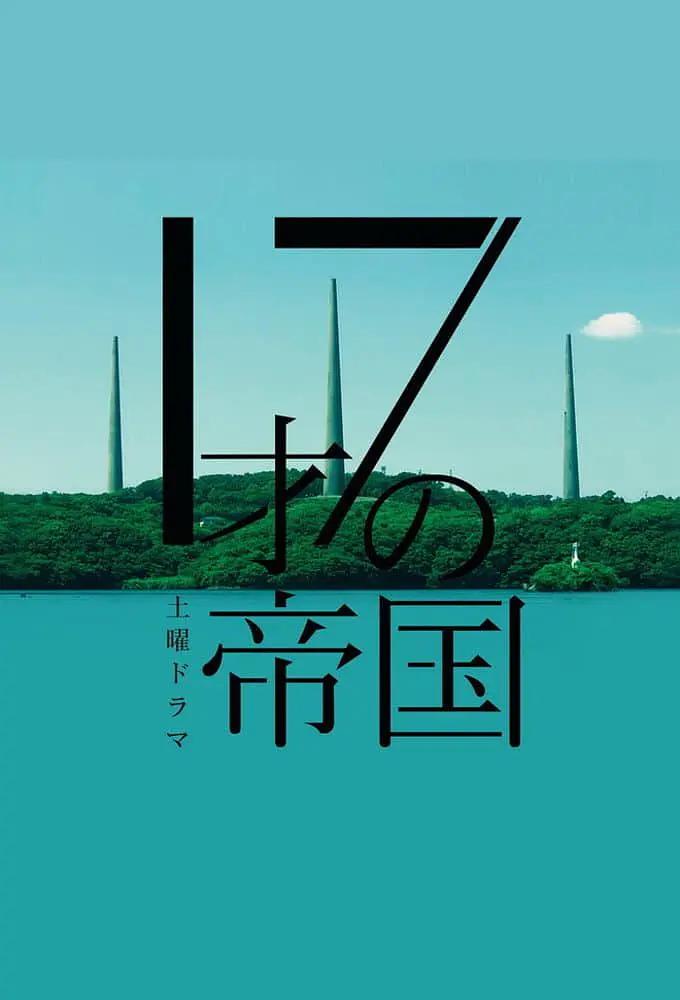
17岁的帝国
] The story starts with that stark contrast: a young man, a teenager, leading an experiment to govern a city using AI's data-driven decisions. He's supported by other young people who are also young leaders. The project aims to combat a decaying society. This sets the stage for a dramatic clash between the old guard, the traditional politics, and the radical new ideals brought by this AI-led governance. This is where I see the real potential: a sci-fi realism, a political thriller exploring youthful idealism versus cold, hard logic. The "vibe" is important here - less about robots, more about the cold logic of algorithms shaping human lives, right? [





剧情简介
] The story starts with that stark contrast: a young man, a teenager, leading an experiment to govern a city using AI's data-driven decisions. He's supported by other young people who are also young leaders. The project aims to combat a decaying society. This sets the stage for a dramatic clash between the old guard, the traditional politics, and the radical new ideals brought by this AI-led governance. This is where I see the real potential: a sci-fi realism, a political thriller exploring youthful idealism versus cold, hard logic. The "vibe" is important here - less about robots, more about the cold logic of algorithms shaping human lives, right? [
观影点评
] I'm drawn to the core question: can data-driven efficiency truly solve social decay? And, is this entire thing just one giant, risky experiment? The cast is key here. I'm intrigued by Kamio Fuju as the stoic young leader, and Hoshino Gen as the observer, maybe representing our own skepticism. I'm also really interested in the way the production might handle the theme of the AI's influence versus human emotions. The core is, if humanity can't fix itself, are we willing to let an algorithm take over? The visuals are crucial here - the series can use a vivid language to show how the old systems are like old machines and how the new systems are like a new scalpel. If the language is vivid enough, it can create a great sense of tension. This is a very intriguing idea. 【电影介绍】如果把一个国家比作一台濒临报废的旧电脑,你是选择不断修补那些永远堵不完的漏洞,还是干脆按下格式化键,来一次彻底的一键重装? 在不远的202X年,曾经辉煌的日本正陷入一种令人窒息的闭塞感中,被全世界贴上了夕阳之国的标签。为了在死局中求生,老谋深算的首相启动了一个名为青之实验的疯狂计划。他们利用名为尤托平的人工智能,从全国海选出一批统治者,去治理一个濒临衰败的地方城市。而AI给出的最优答案,竟然是一个年仅17岁、眼神清澈却冷峻的高中生真木亚兰。 这个还没到法定饮酒年龄的少年,就这样带着一群同样青涩的年轻人,空降到了那座死气沉沉的城市。他们手中握着的不是厚重的法律条文,而是AI算出的最优解。真木亚兰像是一个冷静的执刀医生,不讲人情世故,不顾利益纠葛,精准地切除社会肌体上的腐肉。然而,当那些掌握权力的老派政客开始反扑,当冰冷的算法触碰到复杂的人性底线,这场关于未来社会的豪赌,究竟是理想主义的乌托邦,还是另一场精心包装的毁灭前奏? 【观影点评】看这部作品的时候,我感觉自己像是站在一个新旧时代交替的断裂带上,耳边是齿轮生锈的嘎吱声和电子脉冲的嗡鸣声。它最抓人的地方在于那种极强的冲突感:一边是白发苍苍、在传统规则里玩弄权术的老牌政客,一边是穿着校服、试图用数据重塑社会的冷面少年。神尾枫珠演活了那种近乎神性的疏离感,而星野源饰演的观察者,则像是一个充满矛盾的中间人,带我们窥视这场社会实验背后的权力游戏。 整部剧的视觉风格极其冷峻,充满了极简主义的美感,每一次AI进行决策时的光影流动,都让人感受到一种高科技带来的压迫力。它并没有简单地歌颂年轻人的热血,也没有一味地否定AI的逻辑,而是把效率与情感、革新与传统这些终极命题血淋淋地摆在你面前。最让我震撼的是,它敢于去触碰那个敏感的神经:如果人类已经无法自救,我们是否真的愿意把灵魂和未来,全权委托给一套永不出错的算法?这种细思极恐的危机感,会让你在看完之后,对着自己的手机和这个世界发呆很久。
 0
0 0
0 0
0 0
0 0
0 0
0