
晚婚
」 The marriage certificate is literally still warm when the groom disappears. Li Manjuan had practically begged the marriage registry worker to wait for this man! Instead, the marriage certificate triggers a long disappearance. A mysterious phone call, and the fiancé, 吴劲松, vanishes, leaving the family and a devastated woman. Instead of a frantic search, the story delves into the emotional lives of these urban women. The Li family is a matriarchy: the single mother, 徐凤琴, and her three daughters. The eldest, 李曼娟, is intelligent but haunted by the broken engagement. The second daughter, 李曼婷, is independent but cautious in relationships. They're swimming in a sea of societal expectations. When the missing man reappears, full of secrets, and another potential suitor appears, how will these women, who are known as "leftover women", balance their self-respect and the pressure to conform? 「





剧情简介
」 The marriage certificate is literally still warm when the groom disappears. Li Manjuan had practically begged the marriage registry worker to wait for this man! Instead, the marriage certificate triggers a long disappearance. A mysterious phone call, and the fiancé, 吴劲松, vanishes, leaving the family and a devastated woman. Instead of a frantic search, the story delves into the emotional lives of these urban women. The Li family is a matriarchy: the single mother, 徐凤琴, and her three daughters. The eldest, 李曼娟, is intelligent but haunted by the broken engagement. The second daughter, 李曼婷, is independent but cautious in relationships. They're swimming in a sea of societal expectations. When the missing man reappears, full of secrets, and another potential suitor appears, how will these women, who are known as "leftover women", balance their self-respect and the pressure to conform? 「
观影点评
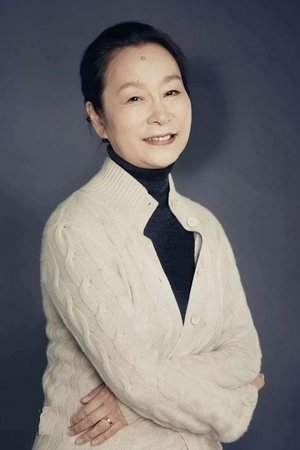
」 The film feels like a warm but slightly bitter cup of tea. It brilliantly captures the anxiety and resilience of women facing the pressure of marriage in that era. Xi Meijuan's performance as the mother is nothing short of incredible. She embodies the Chinese parent – caring, pragmatic, yet deeply loving. You can see her worry for her daughters etched in every wrinkle. The movie isn't dramatic; it shows the mundane reality. It doesn't demonize those who marry later in life, nor does it sensationalize some kind of triumphant pushback. It simply lays out the complexities. The awkwardness of being "left over," whether by choice or circumstance, is explored in the dinner table arguments and the quiet moments of reflection at night. It’s about self-discovery as much as it's about relationships. Even now, watching it, you feel this emotional tension that arises from the everyday. I think you'll find yourself and your friends reflected in the story. It's a film that stays with you. 【电影介绍】红色的结婚证刚拿到手,还没来得及感受封皮的余温,新郎就消失在了熙熙攘攘的人潮里。这就是李曼娟三十岁这年遭遇的最荒诞的开场。在那间快要下班的婚姻登记处,她曾像守护最后一块阵地一样拦着工作人员,只为了等那个姗姗来迟的男人。可谁能想到,那一纸婚约竟成了一场漫长失踪的导火索。随着一个神秘电话的响起,未婚夫吴劲松瞬间蒸发,留下满桌等待庆贺的家人和李曼娟支离破碎的期待。 故事并没有停留在寻人启事的戏码里,而是推开了一扇通往都市女性情感困局的大门。李家是个典型的女儿国,单亲母亲徐凤琴守着三个性格迥异的女儿,大女儿曼娟知性却被悔婚阴影笼罩,二女儿曼婷独立却在情感边缘试探。她们像是一群在深海中寻找浮木的泳者,周围是催婚的浪潮和世俗的眼光。当那个消失的男人带着满身秘密重新出现时,当新的追求者带着不确定的温情敲响心房,这群在当时被称为大龄剩女的女性,该如何在自尊与妥协之间,划出一道属于自己的弧线? 【观影点评】这部剧就像是一杯温热却带着苦涩余味的清茶,它精准地捕捉到了那个时代背景下,女性在婚姻门槛前的焦虑与倔强。奚美娟老师饰演的母亲简直是全剧的神来之笔,她把那种中国式家长特有的操心、市侩以及深藏在骨子里的母爱演绝了,每一道皱纹里都写满了对女儿们终身大事的执念,让人看得又爱又恨。 它最动人的地方在于没有把晚婚妖魔化,也没有刻意制造爽剧式的反击,而是把生活的褶皱一点点摊开给你看。那种被选剩下或者主动剩下的尴尬,在饭桌上的唇枪舌剑中,在深夜独处时的长吁短叹里,展现得淋漓尽致。你会发现,这不仅仅是一个关于找对象的故事,更是一场关于自我价值重塑的修行。在这个快节奏的时代回头看这部作品,依然能感受到那种在琐碎烟火气中升腾而起的情感张力,它像一面镜子,照出了每个人心中对爱与归宿最真实的渴望。
 0
0 0
0 0
0 0
0 0
0 0
0