
战火浮生 第二季
The heat practically bleeds from the screen; the air distorts the horizon. This isn't the damp, claustrophobic street fighting of London anymore. It's North Africa, and the desperate, brutal game being played out in the desert. Season 2 of *World on Fire* broadens its lens from the rubble of Europe to the sweeping expanse of the wasteland. Harry, that young man tangled in a web of relationships, is now mired in the searing conflict of North Africa. He's not just facing a cunning enemy; he's leading a band of Indian and Australian comrades, trying to survive in a landscape where the rules are alien. Meanwhile, the Manchester sky remains perpetually overcast. Kasia, the Polish girl who escaped the war, finds that the apparent serenity of the British home front is another kind of prison. She's living under the same roof as Harry's abrasive, proud mother, and the undercurrents of their relationship are amplified by the constant wail of air raid sirens. The series skillfully interweaves the suffocating reality of Nazi-occupied territories with the awakening of British women on the factory floor and the fringes of the battlefield. Everyone is caught in this global maelstrom, some secretly resisting in occupied territories, others wrestling with their souls in the depths of the desert. All of their destinies collide in the smoke that now engulfs the world.





剧情简介
The heat practically bleeds from the screen; the air distorts the horizon. This isn't the damp, claustrophobic street fighting of London anymore. It's North Africa, and the desperate, brutal game being played out in the desert. Season 2 of *World on Fire* broadens its lens from the rubble of Europe to the sweeping expanse of the wasteland. Harry, that young man tangled in a web of relationships, is now mired in the searing conflict of North Africa. He's not just facing a cunning enemy; he's leading a band of Indian and Australian comrades, trying to survive in a landscape where the rules are alien. Meanwhile, the Manchester sky remains perpetually overcast. Kasia, the Polish girl who escaped the war, finds that the apparent serenity of the British home front is another kind of prison. She's living under the same roof as Harry's abrasive, proud mother, and the undercurrents of their relationship are amplified by the constant wail of air raid sirens. The series skillfully interweaves the suffocating reality of Nazi-occupied territories with the awakening of British women on the factory floor and the fringes of the battlefield. Everyone is caught in this global maelstrom, some secretly resisting in occupied territories, others wrestling with their souls in the depths of the desert. All of their destinies collide in the smoke that now engulfs the world.
观影点评
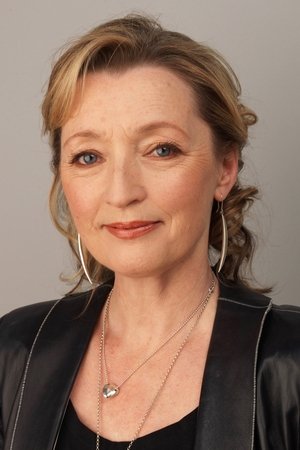
If Season 1 was the terrified anticipation as the curtain went up on war, then Season 2 is like a rusty bayonet, cutting directly into the middle of the conflict, raw and unflinching. What I find most fascinating about this show is its ability to balance the grand and the intimate. It doesn't get caught up in simplistic heroism. It focuses instead on the ordinary people often glossed over in history books. The inclusion of the Indian sappers in the North African theater, in particular, smashes the Western-centric perspective that usually dominates World War II dramas, allowing the viewer to witness a truly global conflict. The performances are astounding, especially Lesley Manville as the mother. She uses a cold, almost cruel elegance to portray an old-world aristocrat clinging to her principles in a world falling apart. Visually, the production has clearly spared no expense. The stark grandeur of the North African desert creates a striking sensory contrast with the oppressive grays of Britain's industrial cities. This contrast in color mirrors the characters’ emotional dance between hope and despair. It's not just a war drama; it’s an epic about survival, with every note echoing with the scent of earth and gunpowder. Once you start it, you can't stop. 【电影介绍】 漫天黄沙几乎要从屏幕里溢出来,灼热的空气扭曲了地平线,这不再是伦敦那种阴冷潮湿的巷战,而是北非沙漠里一场近乎绝望的博弈。战火浮生第二季把镜头从欧洲的断壁残垣拉到了更广阔的荒漠与高空。曾经那个在多角关系中挣扎的年轻人哈里,如今已身陷北非的焦灼战事,他不仅要面对狡黠的对手,还要带领一群来自印度和澳大利亚的战友,在完全陌生的生存法则中寻求一线生机。 与此同时,曼彻斯特的天空依然阴云密布。波兰女孩卡霞从战火纷飞的家乡逃离,却发现平静的英国后方同样是一座心理牢笼。她与哈里刻薄而高傲的母亲住在同一个屋檐下,这种婆媳间的暗流涌动,在防空警报的背景音下显得格外惊心动魄。剧集巧妙地穿插了德国纳粹统治下的压抑生活,以及英国本土女性在工厂与战场边缘的觉醒。每个人都被卷入了这场全球性的洪流,有人在沦陷区隐秘抵抗,有人在沙漠深处叩问灵魂,所有的命运都在那场席卷全球的硝烟中交织碰撞。 【观影点评】 如果说第一季是战争序幕拉开时的惊慌失措,那么第二季则像是一把生锈的刺刀,直白而冷酷地剖开了战争的中局。这部剧最迷人的地方在于它那种宏大与微观的平衡感。它没有沉溺于单纯的英雄主义,而是把视角对准了那些被历史书简略带过的普通人。特别是北非战场上印度工兵的加入,打破了以往二战剧那种纯粹的西方视角,让观众看到了一场真正意义上的世界大战。 演员的表现堪称惊艳,特别是莱丝利·曼维尔饰演的母亲角色,她用那种冷漠到近乎残酷的优雅,诠释了一个旧时代贵族在崩塌世界中的坚守与挣扎。视觉呈现上,制作团队显然下了血本,北非沙漠的荒凉壮阔与英国工业城市的压抑阴冷形成了极其强烈的感官反差。这种色彩上的对比,恰恰映照了角色内心在希望与绝望之间的反复横跳。这不仅仅是一部战争剧,它更像是一首关于生存的史诗,每一个音符都带着泥土和火药的味道,让人一旦点开就很难移开视线。
 0
0 0
0 0
0 0
0 0
0 0
0