
你是我的幸福
A sudden appointment letter, like a giant rock, smashes into the stagnant waters of the Second Design Institute. The chief engineer, Old Yan, who thought he was certain to become the director, watches helplessly as the capable and decisive woman, Wang Yi, walks in, not only taking his position but also bringing with her a set of resolute reform measures. Old Yan is a typical traditional intellectual, a bit proud and stubborn. Facing Wang Yi's blunt and straightforward personality, it's as if a scholar has met a soldier; he can't speak his mind. What's worse is that there's a slippery Ding Zhuren in the office who smooths things over between the two while stirring the pot from time to time, making the already tense office atmosphere even more explosive. It's not just the chaos in the office; Old Yan's home is also a mess, with his worried mother-in-law, his thoughtful sister-in-law, and his rebellious son who constantly gives him headaches, all crammed into this middle-aged man's life. This work actually has a very solid lineage; it's adapted from the well-known Soviet classic "Office Romance," but it skillfully incorporates the story into the Chinese workplace under the wave of reform. From the initial clash between Old Yan and Wang Yi to the subtle chemical reaction that occurs amidst misunderstandings and conflicts, this middle-aged workplace competition gradually evolves into a healing journey about dignity, responsibility, and warmth.



剧情简介
A sudden appointment letter, like a giant rock, smashes into the stagnant waters of the Second Design Institute. The chief engineer, Old Yan, who thought he was certain to become the director, watches helplessly as the capable and decisive woman, Wang Yi, walks in, not only taking his position but also bringing with her a set of resolute reform measures. Old Yan is a typical traditional intellectual, a bit proud and stubborn. Facing Wang Yi's blunt and straightforward personality, it's as if a scholar has met a soldier; he can't speak his mind. What's worse is that there's a slippery Ding Zhuren in the office who smooths things over between the two while stirring the pot from time to time, making the already tense office atmosphere even more explosive. It's not just the chaos in the office; Old Yan's home is also a mess, with his worried mother-in-law, his thoughtful sister-in-law, and his rebellious son who constantly gives him headaches, all crammed into this middle-aged man's life. This work actually has a very solid lineage; it's adapted from the well-known Soviet classic "Office Romance," but it skillfully incorporates the story into the Chinese workplace under the wave of reform. From the initial clash between Old Yan and Wang Yi to the subtle chemical reaction that occurs amidst misunderstandings and conflicts, this middle-aged workplace competition gradually evolves into a healing journey about dignity, responsibility, and warmth.
观影点评
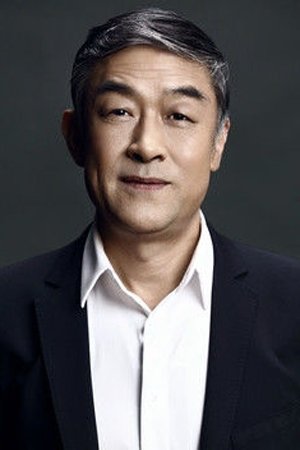
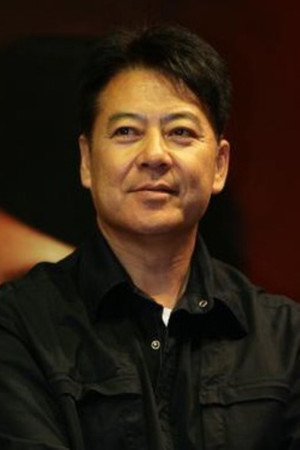
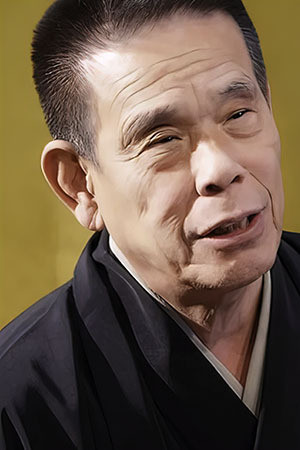
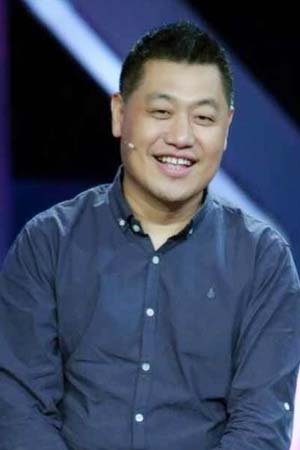
The most enjoyable aspect of watching this drama is seeing a group of veteran actors perform together; it's practically a textbook-level acting show. Li Jianyi perfectly portrays Old Yan's intellectual pride and weakness in life, while Teacher Wang Gang, as Director Ding, is pure acting, perfectly embodying the slipperiness of a workplace veteran. It makes you want to both hate him and laugh at the same time. Although it's adapted from a classic foreign film, it's very down-to-earth; you can see the shadow of many elders around you in Old Yan, the awkwardness and persistence in the face of the turning tide of the times, which is particularly touching. It doesn't have the sensational workplace drama plots; instead, it focuses on the most ordinary and trivial aspects of life. In those seemingly tedious drawings, endless meetings, and noisy everyday life, it accurately captures the true meaning of happiness. It's worth mentioning that the still-young Huang Xuan plays Old Yan's son in the drama; the conflicts and reconciliations between father and son also add a lot of youthful energy to the drama. This isn't just a workplace drama; it's more like a cup of warm, old tea. At first, it's a bit bitter, but after a close taste, it's all sweet; it's very suitable to watch this group of vivid characters bloom a flower of happiness in the quagmire of life on a quiet afternoon 【电影介绍】 一封空降的任命书,像是一块巨石砸进了死水微澜的第二设计院。原本以为院长宝座志在必得的总工程师老严,眼睁睁看着干练利落的女强人汪仪推门而入,不仅抢了他的位置,还带来了一套雷厉风行的改革手段。老严是个典型的传统知识分子,清高里带着点倔脾气,遇上汪仪这种不讲情面、直来直去的性格,简直就像是秀才遇到了兵,有苦说不出。更要命的是,办公室里还有个像泥鳅一样圆滑的丁主任,一边在两人之间和稀泥,一边又时不时拱把火,让这原本就紧绷的办公氛围变得火药味十足。不仅单位里鸡飞狗跳,老严的家里也是一地鸡毛,操碎心的婆婆、心思细腻的小姨子,还有那个正值叛逆期、成天让他头大的儿子,全都挤在这个中年男人的生活里。这部作品其实有着非常扎实的血统,它改编自前苏联那部家喻户晓的经典《办公室的故事》,但却把故事巧妙地嫁接在了改革浪潮下的中国职场。老严和汪仪之间,从最初的针尖对麦芒,到后来在重重误解与碰撞中产生的微妙化学反应,让这场人到中年的职场博弈,逐渐演变成了一场关乎尊严、责任与温情的治愈之旅。 【观影点评】 看这部剧最过瘾的地方,莫过于看一群老戏骨同台飙戏,那简直就是一场教科书级别的演技大赏。李建义把老严那种知识分子的清高与生活中的软弱刻画得入木三分,而王刚老师饰演的丁主任,举手投足间都是戏,把那种职场老油条的圆滑劲儿演活了,让人恨得牙痒痒又忍不住想笑。虽然它改编自经典外语片,但地气接得非常稳,你能在老严身上看到很多身边长辈的影子,那种在时代巨轮面前的局促与坚守,特别能戳中人心。它没有那种狗血的职场开挂剧情,而是把笔触伸向了最平凡的生活琐碎,在那些看似枯燥的图纸、开不完的会议以及吵吵闹闹的家常里,精准地捕捉到了幸福的真谛。值得一提的是,当时还很青涩的黄轩在剧中饰演老严的儿子,那种父子间的碰撞与和解,也为这部剧增添了不少青春的气息。这不仅仅是一部职场剧,它更像是一杯温热的老茶,初尝有些苦涩,但细品之下全是回甘,非常适合在安静的午后,看这群鲜活的人物如何在生活的泥潭里开出一朵幸福的花。
 0
0 0
0 0
0 0
0 0
0 0
0