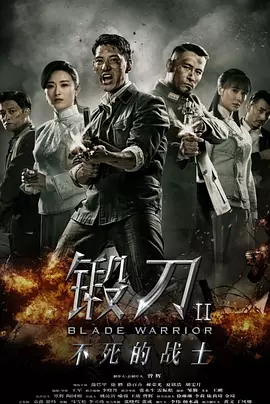
锻刀Ⅱ不死的战士
The scene opens in a battlefield filled with smoke, with two equally stubborn eyes confronting each other across the fire. One pair belongs to Fei Maotui, a grassroots company commander from the New Fourth Army, and the other belongs to Zeng Wenhu, the commander of the KMT's fierce tiger division. This is how *Forging the Knife II: Immortal Warriors* begins. It avoids the cliche of a hero's growth, and forces two hard men, whose personalities are very different and whose positions are diametrically opposed, into a life-and-death game. Fei Maotui, played by Pu Bajia, lives up to his name. He moves through the jungle and mountains like a phantom, carrying a wild, raw spirit; while Zeng Wenhu, played by Xu Seng, is a typical iron-blooded soldier, majestic, stubborn, and every gesture exudes an unquestionable dominance. When the clash of faith meets the crisis of the country, this "mismatched pair" is forced to fight side by side under the heavy encirclement of the enemy. One is a guerrilla master who pays attention to tactical changes, and the other is an iron-blooded general who believes in positional advancement. They argue during the process of integration, and entrust their backs in desperate situations. Every close-quarters combat with bayonets, every breakout with fewer men winning more, is like forging a blade in a red-hot furnace. As the Japanese close in step by step, this originally about the contest of dignity and position gradually evolves into a final game about the survival of the nation.
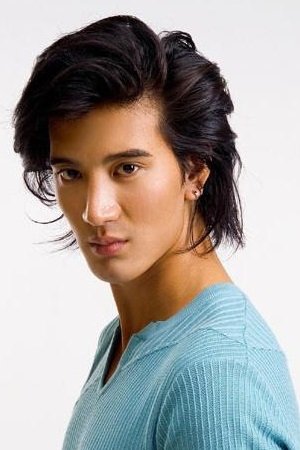
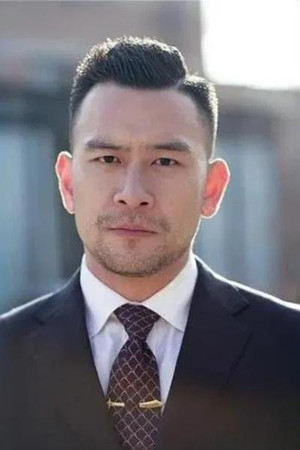




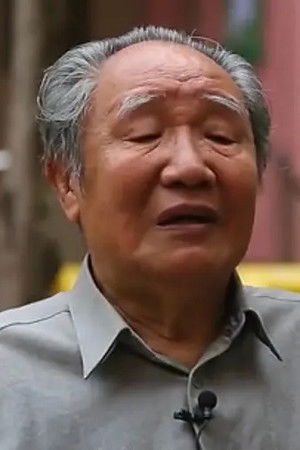
剧情简介
The scene opens in a battlefield filled with smoke, with two equally stubborn eyes confronting each other across the fire. One pair belongs to Fei Maotui, a grassroots company commander from the New Fourth Army, and the other belongs to Zeng Wenhu, the commander of the KMT's fierce tiger division. This is how *Forging the Knife II: Immortal Warriors* begins. It avoids the cliche of a hero's growth, and forces two hard men, whose personalities are very different and whose positions are diametrically opposed, into a life-and-death game. Fei Maotui, played by Pu Bajia, lives up to his name. He moves through the jungle and mountains like a phantom, carrying a wild, raw spirit; while Zeng Wenhu, played by Xu Seng, is a typical iron-blooded soldier, majestic, stubborn, and every gesture exudes an unquestionable dominance. When the clash of faith meets the crisis of the country, this "mismatched pair" is forced to fight side by side under the heavy encirclement of the enemy. One is a guerrilla master who pays attention to tactical changes, and the other is an iron-blooded general who believes in positional advancement. They argue during the process of integration, and entrust their backs in desperate situations. Every close-quarters combat with bayonets, every breakout with fewer men winning more, is like forging a blade in a red-hot furnace. As the Japanese close in step by step, this originally about the contest of dignity and position gradually evolves into a final game about the survival of the nation.
播放线路
观影点评
The most captivating part of this drama is not the grand war narrative, but the overwhelming "pure man" atmosphere. It writes about brotherhood with great tension, not the kind of courteous toasting, but the extreme romance of "I don't like you, but I'm willing to block bullets for you". The showdown between Pu Bajia and Xu Seng is like a flint hitting pig iron, with sparks flying. The agility of Fei Maotui and the heaviness of Zeng Wenhu form a sharp contrast. This duel of the two heroes adds a layer of chivalrous meaning to the original tense anti-Japanese theme. Director Wang Jun is very good at capturing that rough texture, with the dirt, bloodstains, and tattered military flags under the lens all revealing a tenacious toughness that refuses to admit defeat. It's not just about war; it's about an "immortal" spirit. The so-called "immortal" is not invincibility of the body, but the determination to burn the last drop of blood for faith and dignity in an extremely cruel environment. If you like to watch those passionate, hormone-filled action games, or are obsessed with the pure emotions forged in the flames of war, this work will definitely make you feel addicted. That life force bursting out in a desperate situation is really like a newly-baked blade, with a cold light, pointing straight at the heart. 【电影介绍】 硝烟弥漫的阵地上,两双同样倔强的眼睛隔着战火对峙,一双属于新四军的草根连长飞毛腿,另一双则属于国民党猛虎师的师长曾文虎。 这就是《锻刀Ⅱ不死的战士》拉开序幕的方式。它没有落入俗套的英雄成长史,而是把两个性格南辕北辙、立场针锋相对的硬汉,硬生生地揉进了一场生死棋局里。蒲巴甲饰演的飞毛腿,人如其名,在丛林山岭间穿梭如鬼魅,带着一股子野蛮生长的灵气;而徐僧饰演的曾文虎,则是典型的铁血军人,威严、固执,举手投足间都是不容置疑的霸气。 当信仰的碰撞遇上家国的危难,这对冤家被迫在敌人的重重包围下并肩作战。一个是讲究战术变幻的游击高手,一个是信奉阵地推进的铁血将领,他们在磨合中争吵,在绝境中交付后背。每一次刺刀见红的肉搏,每一场以少胜多的突围,都像是在通红的炉火中锻造刀锋。随着日军步步紧逼,这场原本关于尊严和立场的较量,逐渐升华成了一场关于民族存亡的终极博弈。 【观影点评】 这部剧最抓人的地方,不在于宏大的战争叙事,而在于那种扑面而来的纯爷们儿气息。它把兄弟情谊写得极具张力,不是那种推杯换盏的客套,而是那种我看不惯你,但我愿意为你挡子弹的极致浪漫。 蒲巴甲和徐僧的对手戏,就像是火石撞上了生铁,火星四溅。飞毛腿的灵动与曾文虎的厚重形成了鲜明的反差,这种双雄对峙的戏码,让原本紧绷的抗战题材多了一层江湖侠义的色彩。导演王军很擅长捕捉那种粗粝的质感,镜头下的泥土、血迹和残破的军旗,都透着一股不服输的韧劲。 它不仅仅是在讲打仗,更是在讲一种不灭的精神。所谓的不死,并非肉身的无敌,而是在极端残酷的环境下,那种为了信仰和尊严可以燃尽最后一滴血的决绝。如果你喜欢看那种热血沸腾、充满荷尔蒙气息的动作博弈,又或者迷恋那种在战火中淬炼出的纯粹情感,这部作品一定会让你看到欲罢不能。那种在绝境中迸发出的生命力,真的就像一把刚出炉的利刃,寒光凛冽,直指人心。
 0
0 0
0 0
0 0
0 0
0 0
0