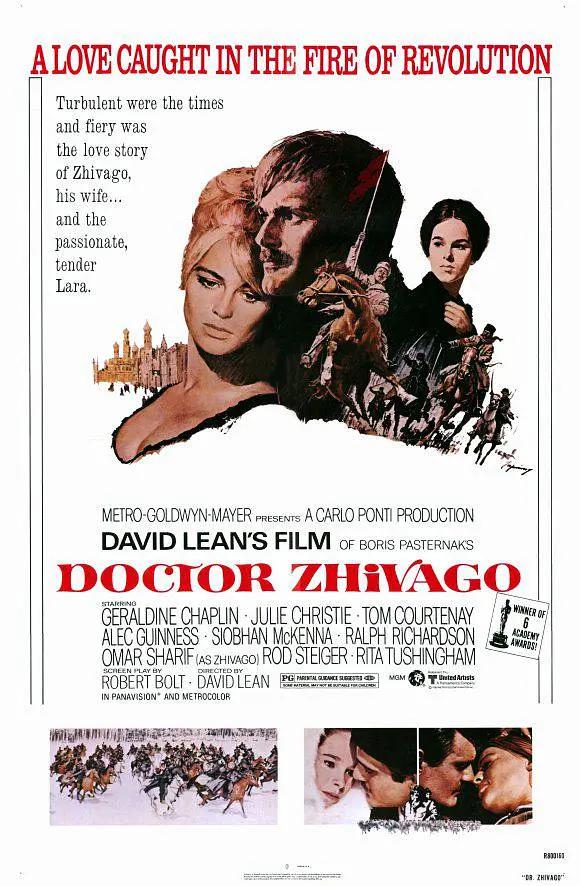
日瓦戈医生1965
Watching David Lean's *Doctor Zhivago* is like undergoing a visceral and auditory baptism. This isn't just filmmaking; it's a carving of time itself with the lens. The epic quality isn’t achieved through overwhelming crowds but through extremes: how a tiny soul maintains its small spark in the vast, snowy Siberian wilderness. The song “Lara's Theme” that runs throughout is unforgettable. When the mandolin strikes its first notes, you can almost smell the scent of the narcissus blooming in the snow. The film's use of color is a masterclass, from the warm tones of prosperous Moscow to the icy, biting blues and whites of the post-revolutionary era. The changes in color mirror the fluctuations in the epoch's temperature. Omar Sharif’s profound, melancholic eyes flawlessly convey the plight of the intellectual, a man torn between reason and emotion, duty and passion. He is devoted to Tonya’s stability, yet is captivated by Lara's fragility. Amidst this sweeping narrative, these complicated feelings are simultaneously small and sublime. This is not just a love story, it's a lamentation about the individual fate grappling with and being demolished by the torrent of history. When you gaze at that icy estate, at the sun setting across the infinite snow, you comprehend that some beauties are fated to be obliterated, and that this destruction itself is eternal. 【电影介绍】在一望无际的西伯利亚荒原上,一辆孤独的列车冒着浓烟划破死寂的白雪,车厢内挤满了被时代洪流裹挟的流亡者,而车窗外,一个旧的世界正在分崩离析。这就是大卫·里恩镜头下的俄罗斯,广袤、冷酷却又带着一种令人窒息的壮美。 故事的主角尤里·日瓦戈是一位医生,也是一位诗人。他拥有最敏感的心灵和最清醒的头脑,却偏偏生在了一个不需要诗意、只需要立场的疯狂年代。他原本拥有一个温馨的家庭,妻子冬妮娅像港湾一样宁静可靠,但命运却让他邂逅了拉娜。拉娜像是那片荒原上唯一的亮色,她被权势玩弄,被革命抛弃,却始终带着一种野性而坚韧的生命力。 随着第一次世界大战的硝烟和随后席卷全国的革命巨浪,日瓦戈平静的生活被彻底粉碎。他在前线的伤兵营里穿梭,在饥寒交迫的莫斯科街头寻找口粮,在冰天雪地的流亡途中守护家人。然而,无论他如何逃避,时代的巨手总能精准地扼住他的咽喉。在那个动荡的北方村落,他与拉娜再次重逢,两颗破碎的灵魂在冰封的木屋里寻找最后的温暖,而窗外,追捕者的脚步声已悄然临近。



剧情简介
Watching David Lean's *Doctor Zhivago* is like undergoing a visceral and auditory baptism. This isn't just filmmaking; it's a carving of time itself with the lens. The epic quality isn’t achieved through overwhelming crowds but through extremes: how a tiny soul maintains its small spark in the vast, snowy Siberian wilderness. The song “Lara's Theme” that runs throughout is unforgettable. When the mandolin strikes its first notes, you can almost smell the scent of the narcissus blooming in the snow. The film's use of color is a masterclass, from the warm tones of prosperous Moscow to the icy, biting blues and whites of the post-revolutionary era. The changes in color mirror the fluctuations in the epoch's temperature. Omar Sharif’s profound, melancholic eyes flawlessly convey the plight of the intellectual, a man torn between reason and emotion, duty and passion. He is devoted to Tonya’s stability, yet is captivated by Lara's fragility. Amidst this sweeping narrative, these complicated feelings are simultaneously small and sublime. This is not just a love story, it's a lamentation about the individual fate grappling with and being demolished by the torrent of history. When you gaze at that icy estate, at the sun setting across the infinite snow, you comprehend that some beauties are fated to be obliterated, and that this destruction itself is eternal. 【电影介绍】在一望无际的西伯利亚荒原上,一辆孤独的列车冒着浓烟划破死寂的白雪,车厢内挤满了被时代洪流裹挟的流亡者,而车窗外,一个旧的世界正在分崩离析。这就是大卫·里恩镜头下的俄罗斯,广袤、冷酷却又带着一种令人窒息的壮美。 故事的主角尤里·日瓦戈是一位医生,也是一位诗人。他拥有最敏感的心灵和最清醒的头脑,却偏偏生在了一个不需要诗意、只需要立场的疯狂年代。他原本拥有一个温馨的家庭,妻子冬妮娅像港湾一样宁静可靠,但命运却让他邂逅了拉娜。拉娜像是那片荒原上唯一的亮色,她被权势玩弄,被革命抛弃,却始终带着一种野性而坚韧的生命力。 随着第一次世界大战的硝烟和随后席卷全国的革命巨浪,日瓦戈平静的生活被彻底粉碎。他在前线的伤兵营里穿梭,在饥寒交迫的莫斯科街头寻找口粮,在冰天雪地的流亡途中守护家人。然而,无论他如何逃避,时代的巨手总能精准地扼住他的咽喉。在那个动荡的北方村落,他与拉娜再次重逢,两颗破碎的灵魂在冰封的木屋里寻找最后的温暖,而窗外,追捕者的脚步声已悄然临近。
播放线路
观影点评
如果说电影史上有哪部作品能把“史诗感”三个字诠释到极致,那一定是这部《日瓦戈医生》。导演大卫·里恩不仅是在讲一个爱情故事,他是在用镜头雕刻一段民族的阵痛。那种在大银幕上铺展开来的宏大叙事,让个体的爱恨情仇在漫天飞雪中显得既渺小如尘埃,又伟大如星辰。 最让人心醉神迷的莫过于那首贯穿始终的《拉娜之歌》,曼陀林的琴声一响,那种宿命般的忧伤便扑面而来。电影中的色彩运用堪称神级,从莫斯科贵族舞会的璀璨金光,到革命后冰冷刺骨的青灰色,再到那座被严霜冻成水晶宫殿般的废弃庄园,每一帧都像是一幅可以挂在博物馆里的油画。 奥马尔·沙里夫那双深邃而忧郁的眼睛,简直是日瓦戈医生的灵魂所在。他演出了一个知识分子在面对信仰崩塌和道德困境时的那种无力感。他爱冬妮娅的纯洁与责任,却又无法抗拒拉娜带给他的那种与灵魂共振的痛楚。这种情感上的挣扎,在那个非黑即白的激进年代,显得格外动人也格外危险。这不只是一部关于背叛与热恋的电影,它是一首写给所有被历史车轮碾碎的平凡人的挽歌,提醒着我们在最寒冷的冬夜,也要守住内心那一丁点儿诗意的火种。
 0
0 0
0 0
0 0
0 0
0 0
0