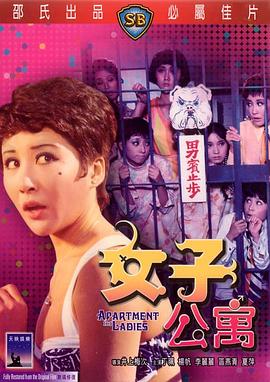
女子公寓
In the neon-lit HK streets of the 70s, there’s this female-only apartment with a nearly uncanny level of strictness. The front door has this stark "No Men Allowed" sign, and the landlady, Mrs. Chen, she's like a patrolling warden, her eyes scanning everyone who comes and goes. But this extreme exclusion hides a bizarre reality: the women who live here, they mostly depend on men to survive in this bustling city. The story unfolds from this delicate tension. You Shuwen, a singer from Taipei, arrives with a heart full of anxiety. She's not here for a dream, but to find someone. Her sister, You Suwen, has disappeared in Hong Kong, and the only lead points to this secretive apartment. With the composer Wang Desheng's introduction, she secretly moves in, hoping to uncover the truth from the heavily made-up, world-weary roommates. Each room here is like a separate theater. There's a dancer, glamorous on the surface but trapped in an emotional mire, and there's a newcomer, pure as a blank page, but drawn into the conspiracy. Shuwen wanders the hallways late at night, listening to whispers and sobs through the walls, and she realizes that her sister's disappearance is no accident. As she delves deeper into the investigation, she not only touches the darkest corners of this apartment, but she also uncovers that even the landlady, who sees men as venomous snakes, seems to be hiding a past.



剧情简介
In the neon-lit HK streets of the 70s, there’s this female-only apartment with a nearly uncanny level of strictness. The front door has this stark "No Men Allowed" sign, and the landlady, Mrs. Chen, she's like a patrolling warden, her eyes scanning everyone who comes and goes. But this extreme exclusion hides a bizarre reality: the women who live here, they mostly depend on men to survive in this bustling city. The story unfolds from this delicate tension. You Shuwen, a singer from Taipei, arrives with a heart full of anxiety. She's not here for a dream, but to find someone. Her sister, You Suwen, has disappeared in Hong Kong, and the only lead points to this secretive apartment. With the composer Wang Desheng's introduction, she secretly moves in, hoping to uncover the truth from the heavily made-up, world-weary roommates. Each room here is like a separate theater. There's a dancer, glamorous on the surface but trapped in an emotional mire, and there's a newcomer, pure as a blank page, but drawn into the conspiracy. Shuwen wanders the hallways late at night, listening to whispers and sobs through the walls, and she realizes that her sister's disappearance is no accident. As she delves deeper into the investigation, she not only touches the darkest corners of this apartment, but she also uncovers that even the landlady, who sees men as venomous snakes, seems to be hiding a past.
播放线路
观影点评
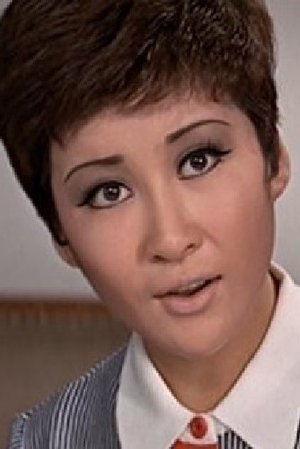
This Shaw Brothers classic, directed by the Japanese master Inoue Umetsugu, is a dazzling collision of retro fashion and suspenseful storytelling. The director skillfully blends the exquisite composition and lively pace of Japanese cinema into the Hong Kong film scene. The film's bright, vibrant colors are full of the modern feel of a big city. Betty Ting Pei displays an aggressive kind of beauty in the film. She's not just a weak woman searching for a relative, but more like a rule-breaker invading forbidden territory, her every move carrying the crispness unique to that era. What's most intriguing is the film's portrayal of the plight of women. This building, called the Women's Apartment, is nominally a haven for women, but in reality, it's more like a miniature social arena. The director uses a kind of black humor to show the helplessness of women surviving in the cracks of a male-dominated society. Those rules that repeatedly reject men seem so fragile in the face of the temptations of money and emotion. The film's soundtrack is also a highlight. Wang Fuling's melodies perfectly blend with the song and dance segments, dispelling the feeling of suspense, and making the whole work both tense and entertaining. If you're a fan of the retro fashions of the 1970s, or you want to see how old Hong Kong films deal with crowd scenes in a closed space, then this film is definitely an underrated gem. It's not just telling a missing person's case, it's peeling back the gorgeous cheongsam to let you see the most real struggles and aspirations of women of that era. 【电影介绍】 在七十年代那霓虹闪烁的香港街头,有一栋规矩森严得近乎诡异的女子公寓。大门上赫然贴着禁止男人入内的告示,房东陈太太像个巡逻的典狱长,用鹰一般的眼睛审视着每一个进出的裙影。然而,这种极度的排斥背后,却藏着一个荒诞的现实:住在这里的女人们,偏偏大多都要靠男人才能在这繁华都市里扎根。 故事就在这种微妙的张力中拉开序幕。来自台北的歌女尤淑文,带着满心的焦虑踏上了这片土地。她不是来寻梦的,而是来寻人的。她的妹妹尤素文在香港失踪了,留下的唯一线索就指向了这栋充满秘密的公寓。在作曲家王德生的引荐下,淑文隐瞒身份住了进去,试图从那些浓妆艳抹、各怀心事的室友口中套出真相。 这里的每一个房间都像是一个独立的剧场。有外表光鲜却深陷情感泥潭的舞女,有单纯如白纸却被卷入阴谋的新人。淑文在深夜的走廊里游走,听着隔墙传来的私语和啜泣,她发现妹妹的失踪绝非偶然。随着调查的深入,她不仅触碰到了这栋公寓最阴暗的角落,甚至连那位视男人如蛇蝎的房东太太,背后也似乎藏着一段被尘封的往事。 【观影点评】 这部由日本名导井上梅次执导的邵氏经典,简直是一场复古时装与悬疑叙事的华丽碰撞。导演巧妙地把日本电影那种精致的构图和明快的节奏带入了香港影坛,整部片子色调鲜艳夺目,充满了大都市的摩登感。丁珮在片中展现出一种极具侵略性的美,她不仅仅是个寻亲的弱女子,更像是一个闯入禁地的破局者,一举一动都带着那个时代特有的飒爽。 最耐人寻味的是电影对女性困境的刻画。这栋名为女子公寓的建筑,名义上是女性的避风港,实际上却更像是一个缩小的社会名利场。导演用一种近乎黑色幽默的方式,展现了女性在男权社会缝隙中生存的无奈。那些口口声声拒绝男人的规矩,在金钱和情感的诱惑面前显得如此脆弱,这种讽刺感即便放在今天来看依然辛辣。 电影的配乐也是一大亮点,王福龄创作的旋律与歌舞片段完美融合,消解了悬疑带来的压抑感,让整部作品在紧张之余又不失娱乐性。如果你迷恋七十年代那种复古的时髦,或者是想看看老香港电影如何处理这种密闭空间里的群像戏,那么这部电影绝对是一颗被低估的明珠。它不只是在讲一个失踪案,更是在剥开那层华丽的旗袍,让你看清那个时代女性最真实的挣扎与向往。
 0
0 0
0 0
0 0
0 0
0 0
0