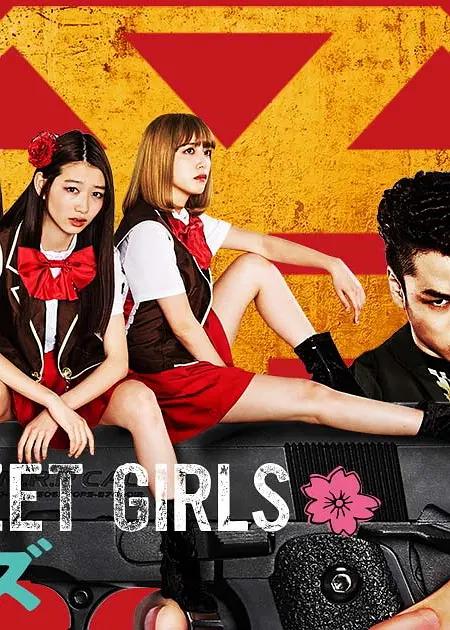
后街女孩电视剧版
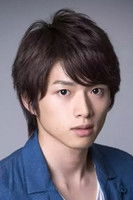
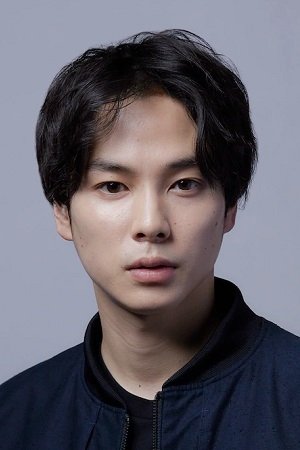
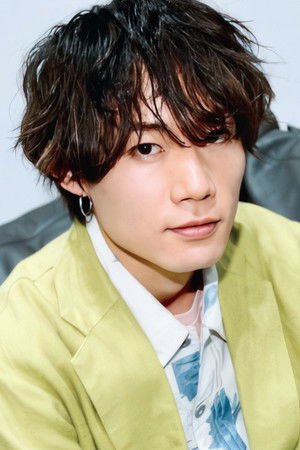
Alright, here's one that popped up on my radar, a TV drama adaptation from 2019 called "Back Street Girls: Gokudols." It's got that classic Keinosuke Hara touch. The premise? You’ve got Jin Shirasu, Reiya Masaki, Masato Hanazawa, and a host of others like Natsumi Okamoto and Ruka Matsuda, playing roles that... well, let's just say they're not what they seem on the surface. We're talking three yakuza brothers, tough guys, who screw up royally. Their boss, let's just say he's not thrilled, and he offers them a choice: traditional seppuku or the rather less traditional, yet equally permanent, option of sex reassignment surgery in Thailand to become female idols for the organization. So, yeah, they become the "Gokudols." The whole thing sounds so bizarre, so completely over the top, you just have to see it, right?



剧情简介
Alright, here's one that popped up on my radar, a TV drama adaptation from 2019 called "Back Street Girls: Gokudols." It's got that classic Keinosuke Hara touch. The premise? You’ve got Jin Shirasu, Reiya Masaki, Masato Hanazawa, and a host of others like Natsumi Okamoto and Ruka Matsuda, playing roles that... well, let's just say they're not what they seem on the surface. We're talking three yakuza brothers, tough guys, who screw up royally. Their boss, let's just say he's not thrilled, and he offers them a choice: traditional seppuku or the rather less traditional, yet equally permanent, option of sex reassignment surgery in Thailand to become female idols for the organization. So, yeah, they become the "Gokudols." The whole thing sounds so bizarre, so completely over the top, you just have to see it, right?
观影点评
Now, imagine this, you're strolling through the streets of Tokyo, and you spot three incredibly cute, high-energy pop idols on stage. Their smiles are dazzling, their dance moves are flawless, and you wouldn't suspect a thing. Except, underneath those layers of makeup and perfectly crafted personas, you'd find three hard-boiled gangsters, covered in tattoos, with a vocabulary that would make a sailor blush, and a deep, ingrained sense of yakuza honor. That's the core visual, that’s the initial punch of the “Back Street Girls” TV adaptation. The show expertly smashes together the brutal world of the Yakuza with the sugary sweetness of Japanese idol culture. It's a clash so jarring, yet so intriguing, that it demands your attention. It all starts with an absurdity that's both hilarious and a bit heartbreaking. Picture this: three of the Yakuza, after their jobs didn't go as planned, are kneeling before their boss, trembling in fear. This isn’t a warm, fuzzy mentor type. The boss, puffing on his cigar, delivers a life-altering ultimatum: either commit seppuku, or go to Thailand for gender reassignment surgery and return to Japan as adorable idols to make money for the organization. Desperate to survive, these hardened men, with tears in their eyes, choose the operating table. Once they're back in Japan, the tough guys are gone, replaced by Airi, Mari, and Chika, each with long legs and adorable faces. This profound identity crisis fuels the show's comedic energy. By day, they’re on stage, in short skirts, doing heart gestures. By night, they’re backstage, smoking, drinking, and grumbling in gruff male voices about the hardships of idol life. Through this constant internal struggle, they unexpectedly become stars. Bigger problems and bigger laughs come as a result. The show truly shines because it's not just another "man becomes a woman" gimmick. It dives deep into the often absurd Japanese idol industry. Watching these Yakuza, still very much men on the inside, endure this hellish, Spartan idol training at the hands of their boss—the sense of being forced into it—it's strangely therapeutic. The actors, like Jin Shirasu, Reiya Masaki, and Masato Hanazawa, and their female counterparts, offer seamless, incredible performances. The contrast when the "girls" perform these crude Yakuza actions is utterly irresistible. Director Keinosuke Hara uses a wildly unconventional pace, perfectly translating the manga's exaggeration into a real-life performance. Each episode feels like a form of "mental contamination," but you just can't stop watching. The show rips away the glossy facade of the idol world and mercilessly satirizes the phenomenon of fandom. When you think you're cheering for a goddess, you're really paying for a Yakuza boss's ambition. This blend of reality and the absurd, makes this comedy oddly insightful, with a dark sense of humor about humanity. If you're feeling stressed or simply want to switch off, this mind-bending "Yakuza idol drama" is absolutely worth your time. 【电影介绍】 如果你在东京街头看到三个青春靓丽、唱跳俱佳的美少女偶像在台上挥洒汗水,千万别被她们甜美的笑容骗了。因为在这些精致的皮囊之下,其实藏着三个满身纹身、满嘴粗口、灵魂深处还刻着极道仁义的大老爷们。这就是电视剧版后街女孩带给人的第一波视觉冲击,它把最硬核的黑帮暴力和最软萌的宅男文化,强行揉碎了塞进同一个相框里。 故事的起因荒诞得让人想笑又想哭。山本、立花、杉原这三位黑道铁三角,因为办砸了差事,正跪在组长面前瑟瑟发抖。这位组长可不是什么慈祥的长辈,他点着雪茄,给了他们一个足以改变人生的终极二选一:要么切腹谢罪,要么去泰国变性,然后回国当美少女偶像给组织赚钱。为了活命,三个铁骨铮铮的汉子含泪选择了手术台。 当他们再次回到日本时,曾经的硬汉已经变成了拥有大长腿和卡哇伊面孔的爱理、真理和千佳。这种身份的错位让整部剧充满了爆笑的张力。他们白天要穿着短裙在舞台上比心卖萌,晚上却在后台蹲着抽烟、喝大酒,用粗犷的男声抱怨偶像生活的艰辛。就在这种灵魂与肉体的极限拉扯中,他们竟然莫名其妙地红透了半边天,而更大的危机和笑料也随之接踵而至。 【观影点评】 这部剧最绝的地方在于,它不仅仅是在玩男变女的老梗,而是精准地捕捉到了日本偶像产业背后的那种近乎荒诞的疯狂。看着三个内心纯爷们的黑帮分子,被组长用斯巴达式的地狱训练折磨成专业偶像,你会发现那种被迫营业的卑微感,竟然产生了一种奇妙的治愈力。 演员们的表现力简直是这部剧的灵魂。无论是饰演变性前硬汉的男演员,还是饰演变性后少女的女演员,他们在神态和动作上的无缝切换,让观众完全相信了那副可爱的躯壳里确实住着一个粗鲁的灵魂。尤其是当美少女们在私下里露出那种极道大佬特有的阴狠眼神时,那种强烈的反差感简直让人欲罢不能,这种违和美学被导演发挥到了极致。 它撕开了偶像圈那层华丽的包装纸,用最硬核的方式嘲讽了所谓的粉丝经济。你以为在追逐女神,其实你是在为一个黑帮大佬的圈钱计划买单。这种现实与荒诞的交织,让这部剧在搞笑之余,竟然还透着一丝丝黑色幽默的味道。如果你最近生活压力大,想找点东西彻底放松大脑,这部脑洞炸裂的极道偶像剧绝对能让你笑出腹肌。
 0
0 0
0 0
0 0
0 0
0 0
0