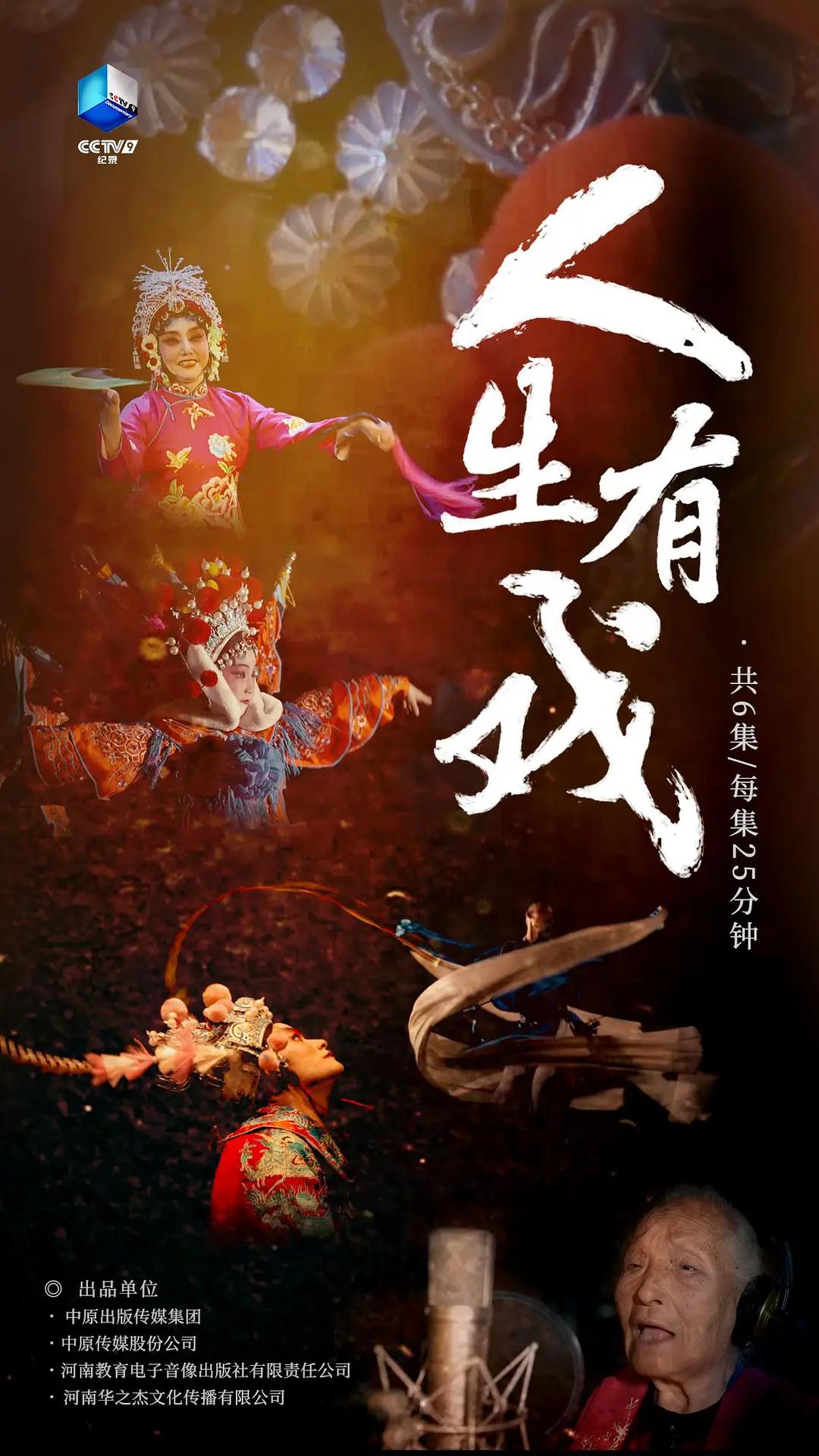
人生有戏
Picture this: a rickety old stage in a rural village, the wind whistling through its timbers. Thick layers of makeup hide the wrinkles etched by time on the performers' faces. The curtain rises, and they transform into mighty generals and noble emperors; the curtain falls, and they're just ordinary folks, hunched backstage, eating a five-yuan boxed meal. This film, Hai Jinxing's *All the World's a Stage*, focuses its lens on these Yu Opera artists who are striving on the margins of the spotlight, yet blossom so beautifully on that small stage. There's no filtered prettiness here, just raw, unflinching truth. You'll see a little girl, barely old enough to walk, stretching in the cold dawn light, tears streaming down her face, but she dare not stop. You'll see a once-famous actor, now performing for a near-empty house, still singing with perfect diction and passion. The camera is like a scalpel, slicing through the glossy surface of traditional opera to reveal the bloody, bruised perseverance and helplessness beneath. What really captivated me was the striking juxtaposition. They live in drafty, dilapidated temples, they walk on muddy, rough roads, but the moment they put on those heavy costumes, their eyes light up. Where does this light come from? Is it the rules passed down through generations, or is it that unwavering pride in their bones?
演职人员

剧情简介
Picture this: a rickety old stage in a rural village, the wind whistling through its timbers. Thick layers of makeup hide the wrinkles etched by time on the performers' faces. The curtain rises, and they transform into mighty generals and noble emperors; the curtain falls, and they're just ordinary folks, hunched backstage, eating a five-yuan boxed meal. This film, Hai Jinxing's *All the World's a Stage*, focuses its lens on these Yu Opera artists who are striving on the margins of the spotlight, yet blossom so beautifully on that small stage. There's no filtered prettiness here, just raw, unflinching truth. You'll see a little girl, barely old enough to walk, stretching in the cold dawn light, tears streaming down her face, but she dare not stop. You'll see a once-famous actor, now performing for a near-empty house, still singing with perfect diction and passion. The camera is like a scalpel, slicing through the glossy surface of traditional opera to reveal the bloody, bruised perseverance and helplessness beneath. What really captivated me was the striking juxtaposition. They live in drafty, dilapidated temples, they walk on muddy, rough roads, but the moment they put on those heavy costumes, their eyes light up. Where does this light come from? Is it the rules passed down through generations, or is it that unwavering pride in their bones?
演职人员
观影点评
After watching the film, my immediate feeling was captured in two words: profound and heavy. It's not a pretentious art documentary, but rather like a steaming bowl of spicy, flavorful "Húlà Tāng" - invigorating, satisfying, and lingering in the mind long after. The director doesn't try to manipulate your emotions; he simply observes, allowing the audience to feel the vicissitudes of fate for themselves. I especially loved how the film captures human nature. These artists aren't saints; they worry about their livelihoods, and they are lost about their future, but as soon as the gongs and drums start, they're like they're possessed. This reverence for their craft feels both lonely and noble in our fast-paced society. It shows us that the joys and sorrows in the play are fake, but the resilience that holds the performance together is the real "human fireworks". This isn't just a film about opera; it's a song of praise to the ordinary strivers. If you're feeling life's bitterness or can't find a reason to keep going, you absolutely need to watch these people who bloom even in the dust. You'll realize that life itself is the most wonderful play, and each of us is the main character in our own story, biting our teeth and persisting. 【电影介绍】村头的老戏台被风吹得吱呀作响,油彩厚重地抹在脸上,盖住了岁月的褶皱。大幕拉开,他们是威风凛凛的将相王侯;大幕落下,他们是蹲在后台吃着五块钱盒饭的普通生灵。海金星导演的这部《人生有戏》,把镜头对准了那群在聚光灯边缘挣扎、却又在方寸戏台上绽放的豫剧艺人们。 这里没有滤镜下的唯美,只有最生猛的真实。你会看到年仅几岁的小女孩在冬日的晨光里压腿,疼得满脸泪水却不敢停下,只为了那句可能永远等不到的喝彩。你也能看到曾经红极一时的名角,在冷清的草台班子上,对着台下寥寥无几、甚至快要睡着的老人,依旧唱得字正腔圆,一丝不苟。镜头像一把锋利的手术刀,切开了传统戏曲光鲜的表皮,露出里面血肉模糊的坚持与无奈。 影片最抓人的地方在于那种强烈的错位感。这些艺人们住的是四面漏风的破庙,走的是泥泞不堪的山路,可一旦披上那身沉重的戏服,眼神里立刻有了睥睨天下的光。这种光究竟是从哪里来的?是祖辈传下的规矩在撑着脊梁,还是骨子里那份不肯向命运低头的傲气在作祟? 【观影点评】看完这部片子,我最直观的感受就是两个字:厚重。它不像那种高高在上的艺术纪录片,反而像是一碗热气腾腾、带着泥土芬芳的胡辣汤,辛辣、过瘾,又让人回味无穷。导演没有刻意去煽情,他只是平静地记录着,让观众自己去撞见那种命运的无常。 我特别喜欢片中对人性的捕捉。那些艺人们并不是什么不食人间烟火的艺术家,他们也会为了生计发愁,会为了前途迷茫,甚至会为了几块钱的赏钱计较。但只要锣鼓点一响,他们就像是换了一个灵魂。这种对职业的敬畏,在当下的快节奏社会里显得既孤独又高贵。它用最朴素的画面告诉我们,戏里的悲欢离合是假的,但撑起这台戏的那份韧劲,却是实打实的人间烟火。 这不只是一部关于戏曲的电影,它更像是一首献给平凡奋斗者的赞歌。它让我们看到,在时代的洪流下,依然有人愿意守着那一亩三分地的舞台,用一生去完成一场谢幕。如果你觉得生活有点苦,或者找不到坚持下去的理由,一定要去看看这些在尘埃里开出花来的人。你会发现,原来生活本身就是一场最精彩的戏,而我们每个人,都是自己生命里那个咬牙坚持到最后的主角。
 0
0 0
0 0
0 0
0 0
0 0
0