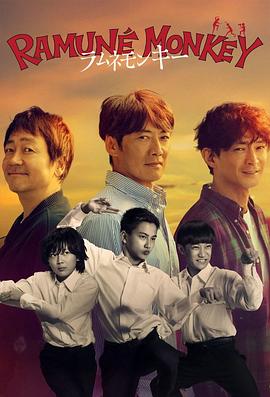
弹珠汽水猴子
弹珠汽水猴 / 波子汽水猴子
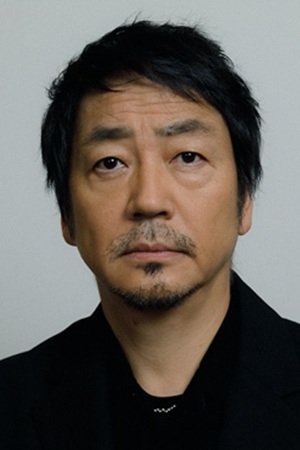
The distinct *clack* of a glass marble hitting a bottle's neck...it's the sound of summer in 1988, that's where we start. This film, "Ramune Monkey," isn't just a nostalgic trip. It's about three guys, they are practically rusting in the present, but their past is waiting for them. Yuta, played by Takashi Sorimachi, used to be an ace, now he's just going through the motions. Nao Omori's Hajime is a failed director, keeping his old movie club alive but nothing more than that. And then there's Kiske, the gentle barber played by Kenjiro Tsuda, burdened by the weight of caretaking and the everyday grind. A cryptic message about their old town, it’s like dropping a pebble into a stagnant pond, stirring up long-buried memories. They remember their film club days, the late-night film reels, and that teacher who was like a summer breeze but disappeared without a trace. These three middle-aged men, seemingly resigned to their fates, are compelled to start their old "youth" engine, and find out the truth. They're not just solving a mystery; they're searching for their lost spark in those faded celluloid memories.




剧情简介
The distinct *clack* of a glass marble hitting a bottle's neck...it's the sound of summer in 1988, that's where we start. This film, "Ramune Monkey," isn't just a nostalgic trip. It's about three guys, they are practically rusting in the present, but their past is waiting for them. Yuta, played by Takashi Sorimachi, used to be an ace, now he's just going through the motions. Nao Omori's Hajime is a failed director, keeping his old movie club alive but nothing more than that. And then there's Kiske, the gentle barber played by Kenjiro Tsuda, burdened by the weight of caretaking and the everyday grind. A cryptic message about their old town, it’s like dropping a pebble into a stagnant pond, stirring up long-buried memories. They remember their film club days, the late-night film reels, and that teacher who was like a summer breeze but disappeared without a trace. These three middle-aged men, seemingly resigned to their fates, are compelled to start their old "youth" engine, and find out the truth. They're not just solving a mystery; they're searching for their lost spark in those faded celluloid memories.
观影点评
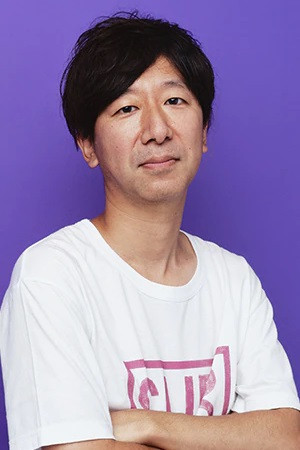
Having watched this film, the feeling that lingers is that quintessential Japanese cinema feeling, that peculiar blend of gentle beauty and harsh reality. Director Tomonobu Moriwaki understands men. He doesn't go for heavy-handed melodrama. He lets the film's middle-aged despair and youthful grit unfold subtly. It's like the bubbles in the Ramune soda. And I must say, the chemistry between the three leads is fantastic. Sorimachi's underlying toughness beneath a veneer of weariness, Omori's stubbornness, and Tsuda's world-weary voice create a powerful dynamic. Their glances, their unspoken understanding from years gone by, it's just perfect. The film seamlessly blends the golden hues of 1988 with the cold tones of the present, almost creating a cross-temporal dialogue. It doesn’t rush to offer any answers, but it makes you feel that even when life is a mess, the urge to chase that certain moment is still there. That's the real fire. So, 1988, Ramune, nostalgia, middle-age crisis, redemption... I think I've got a good angle. Forget the technicalities. Let's just sell it. 【电影介绍】咔哒一声,玻璃珠撞击瓶壁的清脆响声,瞬间把人拉回那个蝉鸣聒噪的1988年夏天。这部名为《弹珠汽水猴子》的作品,绝不仅仅是一次简单的怀旧之旅,它更像是一封寄给所有向生活妥协的成年人的迟到情书。 故事的主角是三个在现实生活中快要生锈的大叔。反町隆史饰演的吉井曾是叱咤商界的王牌业务员,如今却被边缘化到闲职,每天像个零件一样空转。大森南朋饰演的藤卷,空有一颗导演梦,却在中学电影部里消磨着剩下的热情。而津田健次郎则化身温柔却疲惫的理发师,在照顾失智母亲的琐碎日常里,渐渐弄丢了原本的自己。 一份关于旧城镇的简讯,像是一枚投入死水的石子,激起了他们记忆深处的涟漪。他们想起那个曾经一起捣鼓胶片的电影研究部,想起了那个像夏日微风一样存在、却又离奇消失的女顾问老师。为了寻找那个被掩埋在岁月里的真相,这三位原本已经认命的中年男人,决定重新发动那台名为青春的旧引擎。他们在寻找老师的过程中,不仅是在追踪一段悬案,更是在那些泛黄的胶片里,打捞那个曾经闪闪发光的自己。 【观影点评】看完这部片子,最直观的感觉就是那种独属于日式电影的、既温柔又残酷的生命力。导演森胁智延太懂怎么拍男人的浪漫了,他没有刻意煽情,而是把那种中年人的无奈和少年时的孤勇,像弹珠汽水里的气泡一样,一点点在镜头里释放出来。 不得不夸夸这三位主演的化学反应。反町隆史那种藏在颓废下的硬朗,大森南朋骨子里的执拗,再加上津田健次郎那磁性嗓音里透出的疲惫感,三个人站在一起就是一出好戏。那种老友重逢时眼神里的躲闪与默契,被他们拿捏得极其精准。 电影在1988年的金黄滤镜和现实生活的冷色调之间无缝切换,这种对比让那种物是人非的酸楚感扑面而来。它最动人的地方在于,它并没有告诉你只要找回初心就能改变世界,而是让你看到,即使生活已经是一滩烂泥,你依然有权利为了一个三十年前的谜团去奔跑。那种为了一个答案而奋不顾身的劲头,才是对抗平庸生活最有效的防腐剂。这是一部适合在深夜,就着一点微醺,静静品味的作品。
 0
0 0
0 0
0 0
0 0
0 0
0